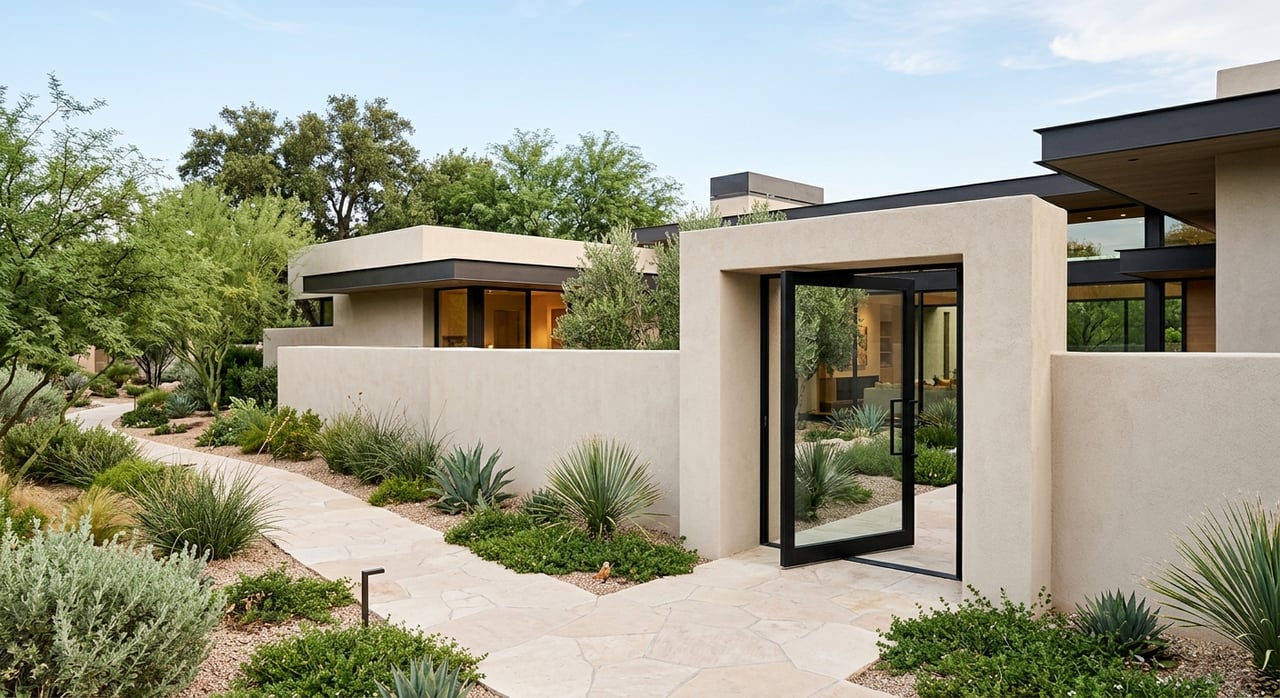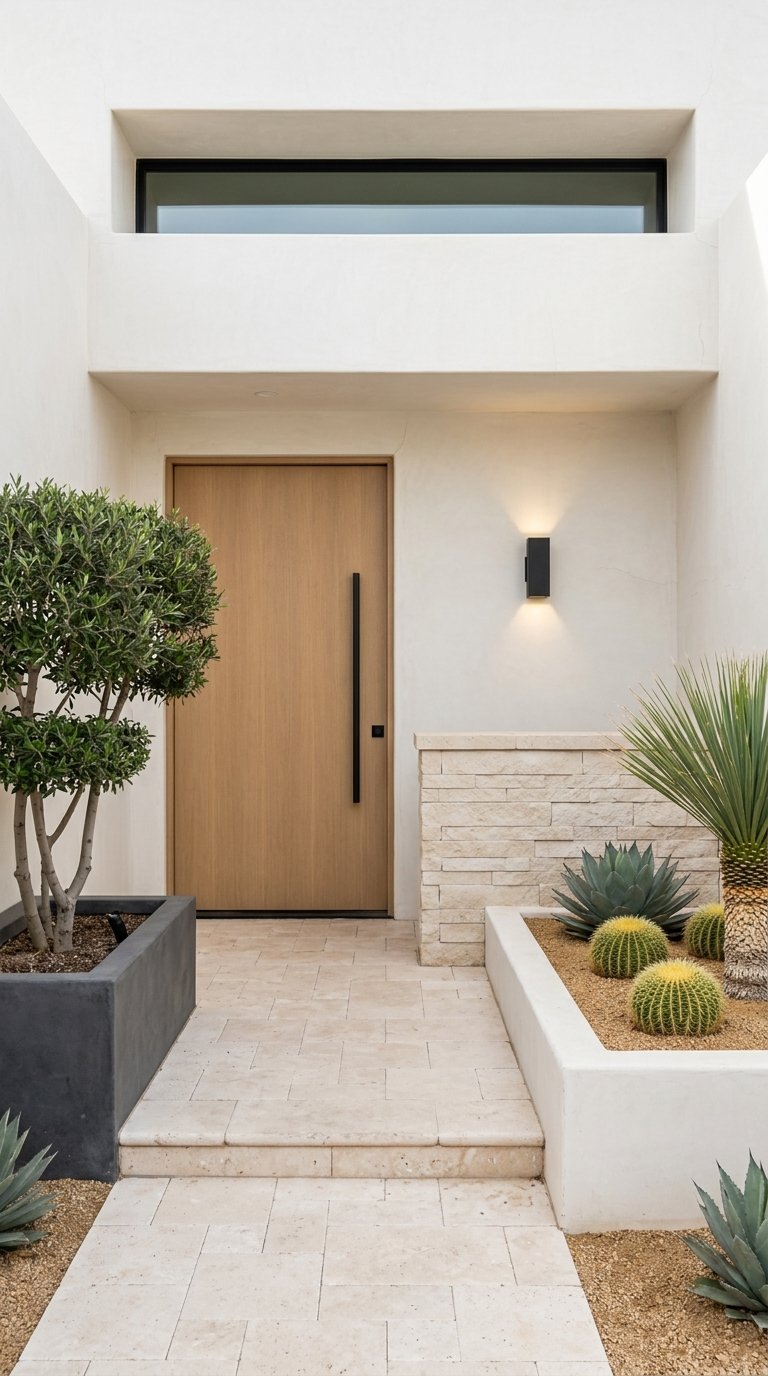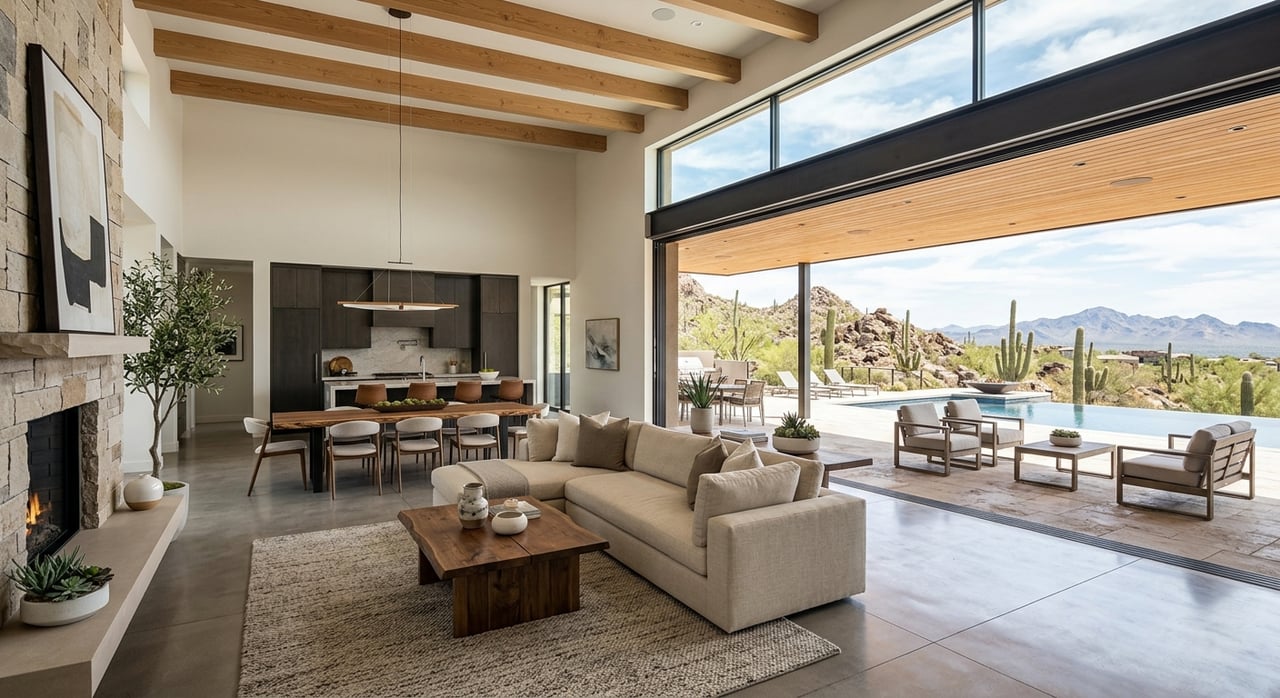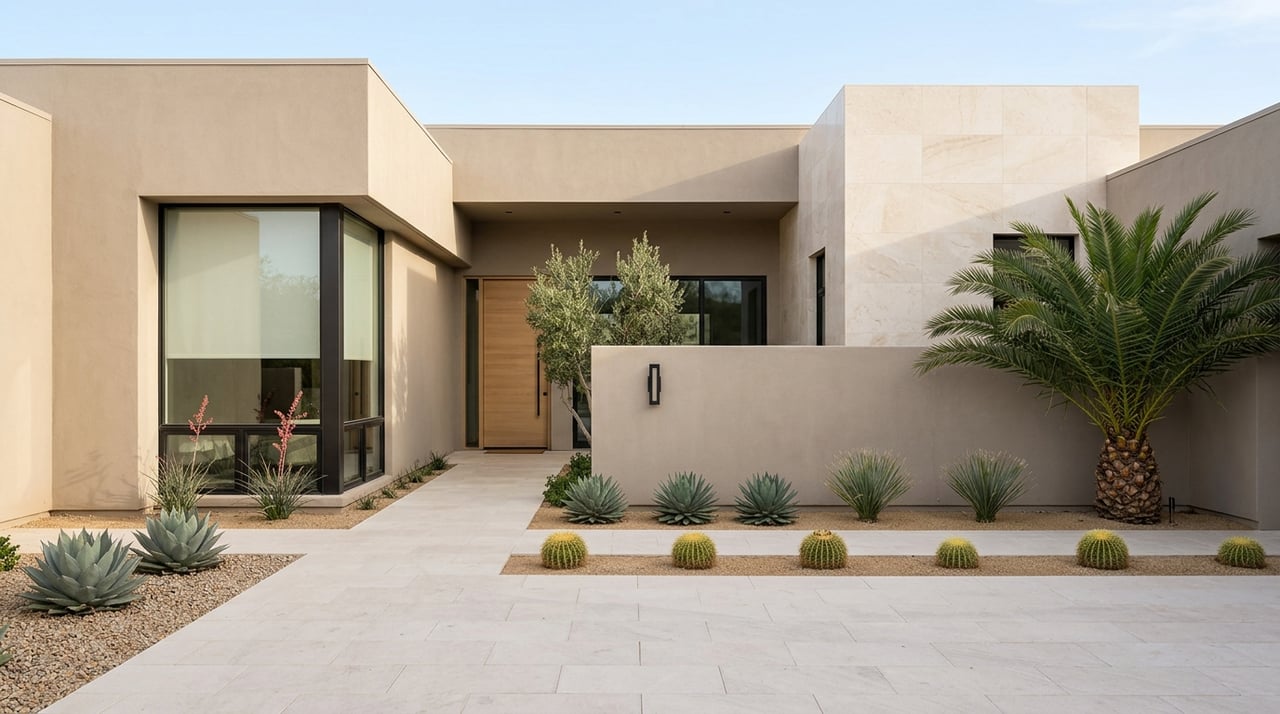
Looking for a second home in Scottsdale is exciting, but it can also get complicated fast. One area may feel close to dining, shops, and year-round activity, while another offers a quieter, golf-oriented setting with a very different ownership experience. If you want to buy with more clarity and fewer surprises, this guide will help you think through location, carrying costs, maintenance, and rental rules before you move forward. Let’s dive in.
Why Scottsdale Appeals to Second-Home Buyers
Scottsdale offers a mix of desert scenery, resort-style amenities, and distinct neighborhood experiences that make it a natural fit for seasonal and part-time ownership. The city sits in the Sonoran Desert near the McDowell Mountains and has more than 244,000 residents. It also attracts nearly 11 million visitors each year, with tourism contributing an estimated $3.5 billion annually.
That level of visitor activity helps explain why Scottsdale draws buyers who want a lifestyle-driven second home. Old Town is known for its restaurants, retail shops, art galleries, resort hotels, golf courses, pools, parks, and trail systems. For many buyers, the appeal is having a home base that supports both easy getaways and longer seasonal stays.
Scottsdale Is Not One Market
One of the biggest mistakes second-home buyers make is treating Scottsdale like a single, uniform market. In reality, the city uses a character-based planning framework with seven adopted character area plans, including Old Town, Greater Airpark, Southern Scottsdale, Shea, Cactus Corridor, Desert Foothills, and Dynamite Foothills.
That matters because your day-to-day experience can change significantly from one area to another. A home that works well for weekend stays may feel very different from one that supports a full winter season or occasional rental use. When you compare homes, it helps to think in terms of neighborhood function and lifestyle, not just price or square footage.
Old Town vs Golf Communities
For many second-home buyers, the first big decision is choosing between an urban-core feel and a more resort-like golf setting. Scottsdale supports both, but the tradeoffs are real.
Old Town Lifestyle
Old Town Scottsdale is the clearest urban-core option. The city identifies it as a hub for restaurants, retail, art galleries, and resort hotels, and its character area plan guides growth and development in the downtown area.
If you want a more walkable, amenity-dense base, Old Town is often the natural starting point. It can be a practical fit if your ideal second home is about convenience, nearby activity, and easy access to dining and entertainment.
Golf Community Lifestyle
Golf communities offer a different ownership experience. Scottsdale has 26 golf courses covering more than 5,000 acres, and the city treats golf-course locations as part of broader community planning and open-space design.
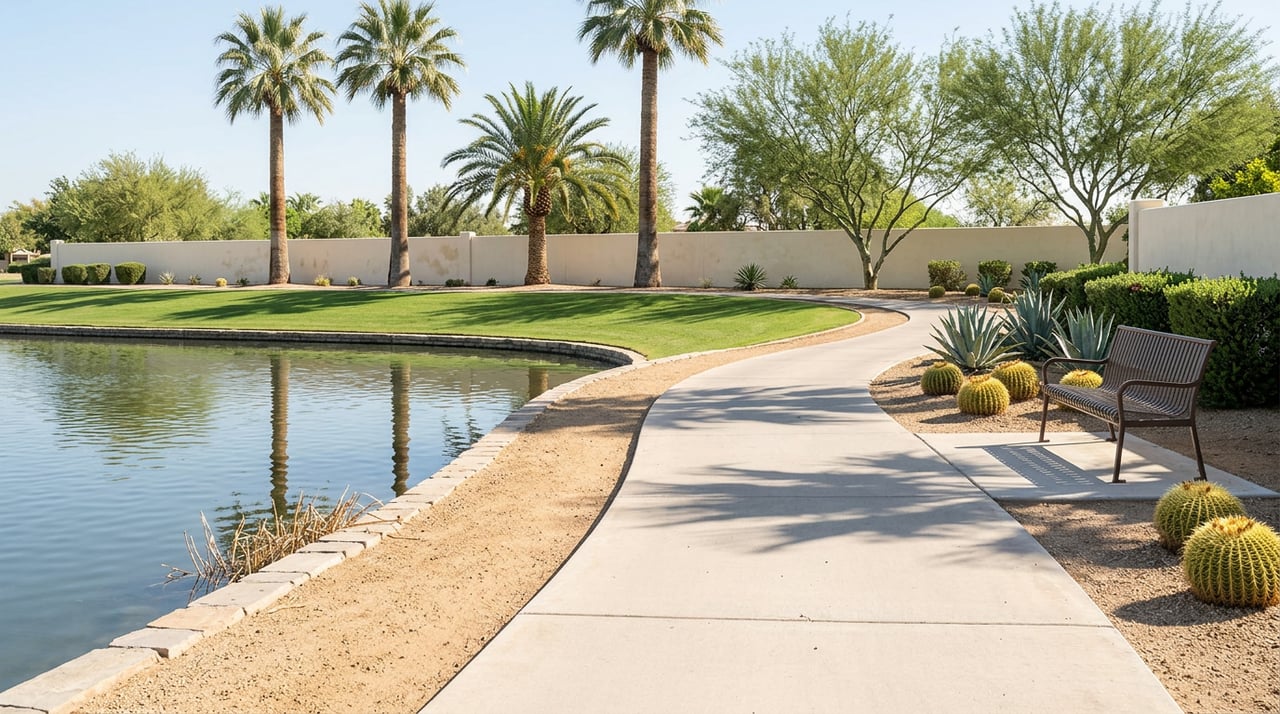
The city’s golf-course policy also emphasizes neighborhood identity, positive relationships with surrounding land uses, and low-water landscape buffers that fit the desert setting. In practical terms, that often means a more open, course-oriented environment with a stronger emphasis on landscape design and a resort feel.
How To Frame the Choice
A simple way to think about the decision is this: do you want to be closer to dining and daily services, or do you want a setting built more around open space and golf? Neither option is automatically better. The right fit depends on how you plan to use the home and what kind of experience you want when you arrive.
Start With Your Use Plan
Before you narrow your search, get specific about how the property will actually be used. A second home for personal weekends has a different checklist than a home you plan to occupy for several months at a time.
Ask yourself a few practical questions:
- Will you use the home mainly for personal stays, seasonal occupancy, or occasional rental?
- Do you want a neighborhood feel closer to Old Town or closer to a golf-community setting?
- How important are lock-and-leave convenience and lower hands-on upkeep?
- Will the home sit vacant during the hottest months?
Your answers shape almost every next step, from area selection to budgeting and HOA review. They also help you avoid buying a home that looks great on paper but does not match your real ownership goals.
Plan for Scottsdale Maintenance Realities
Scottsdale’s climate is part of its appeal, but it also creates special responsibilities for seasonal owners. The city’s heat mitigation planning identifies heat as one of the region’s top sustainability challenges, which makes maintenance planning especially important when a home is unoccupied.
If you will be away for part of the year, you should think beyond routine cleaning and basic security. In Scottsdale, second-home ownership often means paying close attention to irrigation timing, low-water landscaping, pool upkeep, and leak prevention.
Water and Irrigation Considerations
Scottsdale Water offers outdoor efficiency checks, irrigation clock review, and leak-detection guidance for homeowners. The city also provides water-conservation guidance related to outdoor use, pools, and leak prevention.
That makes water management a key part of second-home planning. Even a beautiful low-maintenance property still needs a system for monitoring irrigation and catching issues early, especially during periods of vacancy.
Sewer and Leak Responsibility
It is also important to understand what falls on you as the homeowner. Scottsdale notes that the homeowner is responsible for the sewer lateral from the sewer main to the house.
That detail may not come up in a casual home search, but it matters when you build a realistic ownership budget. The goal is to think ahead about maintenance exposure, not just purchase price.
Budget Beyond the Mortgage
Second-home buyers often focus on down payment and monthly financing first, but carrying costs deserve just as much attention. In Scottsdale, those costs can vary more than you might expect from one property to another.
Maricopa County says property tax bills are based on assessed values and local levies, with the assessor establishing the values used for the calculation. The county also notes that school district taxes are the largest portion of the bill.
The practical takeaway is simple: two homes in the same city can have meaningfully different tax bills. Along with property taxes, you should budget for:
- HOA assessments
- Utilities
- Water usage
- Pool care
- Landscape maintenance
- Routine vacancy checks or property oversight
A clear all-in ownership estimate can help you compare options more accurately and avoid stretching your budget on a home that costs more to carry than expected.
Review Rental Rules Early
If rental flexibility is part of your plan, do not leave that research until the end. Scottsdale does allow vacation rentals and short-term rentals under 30 days by right in residential districts, but there are specific local rules that matter.
According to the city, guest houses must be rented together with the main dwelling, non-residential uses are prohibited, and rentals must be registered with Maricopa County. The city also states that maximum family size is 6 adults plus related dependent children.
Scottsdale further notes that short-term rentals can create neighborhood noise and activity issues and that the city’s regulatory authority is limited by state law. That is a reminder that rental planning is not just about income potential. It is also about compliance and day-to-day management.
HOA Rules Can Be Stricter
City rules are only part of the picture. HOA governing documents in Arizona are enforceable contracts, and CC&Rs can control property use within a development.
In practice, that means an HOA may be more restrictive than the city on leasing terms, guest occupancy, or rental duration. Before you assume a home has rental flexibility, review the CC&Rs carefully.
Rental Taxes Depend on Stay Length
Tax treatment also changes based on how long a guest stays. Arizona Department of Revenue guidance says short-term lodging stays of less than 30 days are subject to Arizona transaction privilege tax.
For residential rentals of 30 days or more, city TPT collection is no longer required starting January 1, 2025. ADOR also states there is currently no state or county tax on residential rentals, though owners still need to register the property with the county assessor for compliance purposes.
Questions To Ask Before You Buy
As you evaluate second-home options in Scottsdale, keep your due diligence focused on the issues that affect ownership most.
Here is a practical checklist to bring into your search:
- How will you use the home most of the time?
- Does the area fit your preferred lifestyle: urban, golf-oriented, or something in between?
- What do the HOA documents allow for leasing, guest occupancy, exterior use, and rental duration?
- What are the true carrying costs, including taxes, HOA fees, water, utilities, pool care, and landscaping?
- What maintenance systems need to be in place when the home is vacant?
- If rentals are part of the plan, what city, county, and state compliance steps apply before the first guest arrives?
These questions can save you time, sharpen your search, and make it easier to choose a property that fits your goals from day one.
Buy With a Neighborhood-First Strategy
The best second-home purchase in Scottsdale is rarely just about finding a beautiful property. It is about matching the home to the way you want to live, visit, and manage it over time.
Because Scottsdale has distinct character areas, major differences in lifestyle setting, and local rules that affect rental use and carrying costs, a neighborhood-first approach usually leads to better decisions. When you evaluate each area on its own terms, you can buy with more confidence and fewer surprises later.
If you’re planning a second home purchase in Scottsdale and want local guidance on neighborhood fit, ownership considerations, and the buying process, connect with Shelby DiBiase - Main Site. The DiBiase Team can help you compare options clearly and move forward with a plan that fits your goals.
FAQs
What should you consider before buying a second home in Scottsdale?
- You should look closely at how you plan to use the home, the neighborhood setting, HOA rules, all-in carrying costs, maintenance needs during vacancy, and any rental compliance requirements.
What is the difference between Old Town Scottsdale and a golf community for second-home buyers?
- Old Town offers a more urban, amenity-dense setting with restaurants, retail, art galleries, and resort hotels, while golf communities tend to offer a more open, resort-like environment shaped by course design and desert landscaping.
Are short-term rentals allowed for second homes in Scottsdale?
- Yes, Scottsdale says short-term rentals under 30 days are allowed by right in residential districts, but owners must still follow city rules, register with Maricopa County, and confirm whether HOA documents impose stricter limits.
Why do HOA rules matter for a Scottsdale second home?
- HOA governing documents can control leasing, guest occupancy, exterior use, and rental duration, and they may be more restrictive than Scottsdale’s city rules.
What carrying costs should you budget for with a Scottsdale second home?
- You should plan for property taxes, HOA assessments, utilities, water, pool care, landscape maintenance, and routine oversight if the home will be vacant for part of the year.
Why is maintenance planning important for seasonal ownership in Scottsdale?
- Scottsdale’s heat and desert conditions make it important to monitor irrigation, leaks, pool systems, and low-water landscaping, especially when the home is unoccupied for extended periods.