Shopping for a classic Arcadia ranch or a sleek remodel? One report can shape your insurance costs and even your closing timeline: the CLUE report. If you want to avoid surprise premiums or last-minute delays, understanding this report is essential. In this guide, you’ll learn what a CLUE report is, how it affects older Arcadia homes and remodels, and how to use it to protect your budget and your deal. Let’s dive in.
What a CLUE report shows
A CLUE report is a claims-history record used by insurers when they underwrite and price homeowners policies. It is maintained by a national data provider and widely used by carriers to evaluate risk.
Here is what a typical property record includes:
- Address and identifying details as reported to insurers.
- Dates of loss, type of loss, and amounts paid.
- Claim status and the reporting insurer.
- Location of the loss and a brief description of the claim.
CLUE generally reflects several years of claim history, and industry materials commonly reference a seven-year lookback for property claims. You should treat it as a claims snapshot, not a full condition report.
Important limits to know
A CLUE report will not show building permit history, code compliance, or detailed repair documentation. It may not consistently list denied-only claims, and it cannot capture events that were never reported to an insurer. Errors can occur, and consumers have the right to dispute and request corrections through the database operator and appropriate state channels.
Why CLUE matters for Arcadia buyers
Insurers use claim frequency, severity, and type to gauge risk. In practice, prior claims can influence whether a carrier will quote your policy, what the premium will be, and what conditions or endorsements they may require.
For Arcadia’s mix of older ranch homes and heavy remodel activity, certain claim patterns tend to raise flags:
- Water-related claims such as plumbing leaks, slab leaks, or sewer backup. Repeated water claims often signal ongoing system issues.
- Roof, wind, and hail claims tied to monsoon seasons. Roof age and replacement history are key, and some carriers place limits on roof age or require replacement.
- Electrical or fire-related claims, which can point to outdated wiring or questionable renovation work.
- Liability claims for injuries on the property, especially if there is a pattern.
Local factors also play a role. Insurers consider wind and hail exposure during the monsoon period, and they evaluate flood and wildfire risk separately. Flood coverage is typically not included in a standard homeowners policy. Carrier appetite can vary by ZIP code and by the uniqueness or age of a property, which means some Arcadia homes may have fewer carrier options.
Remodels and additions: extra scrutiny
Remodeled and expanded homes can be excellent buys, but they can also carry unique underwriting risk:
- Unpermitted work can lead to coverage problems, higher premiums, or added inspections. Some carriers may require documentation that work meets code.
- Mixed or incompatible systems from different eras increase the likelihood of future losses, especially in plumbing and electrical.
- Even after a remodel, older systems that were not updated can drive future water or electrical claims.
How to get CLUE information in Arizona
You have several paths to obtain relevant claims history during your purchase.
- Ask the seller to provide a CLUE report or recent loss runs from their insurer, along with repair invoices and permit documents for any remodels or additions.
- If you are the current or prior resident, or you can obtain authorization, you can request the report directly through the consumer access process.
- Your insurance agent can order a property loss history with proper authorization during underwriting.
Documents to request and review
Collect a complete paper trail so you can compare claims, repairs, and insurability:
- CLUE report and/or insurer loss runs showing dates, types, amounts, and a short description of each claim.
- Building permits and final inspections for remodels and additions.
- Detailed repair invoices, photos, and contractor warranties.
- Evidence of continuous insurance and any nonrenewal or denial letters.
If something looks off, you can pursue a dispute and correction through the consumer dispute process and the relevant state department that oversees insurers.
How to use CLUE during your purchase
Treat CLUE as a decision tool. An isolated older claim that was professionally repaired may have limited impact, while frequent water claims or a major fire loss can signal deeper issues. If a report raises concerns, pair it with targeted inspections and a clear insurance strategy.
A few practical steps can keep your purchase on track:
- Order a full home inspection plus specialty inspections if CLUE shows water, roof, or electrical claims.
- Get insurance quotes early so you know premium ranges and any required repairs before you finalize your contingency dates.
- Confirm whether any repairs, such as roof replacement or plumbing updates, are prerequisites for coverage.
- Verify flood zone status and whether separate flood insurance is needed.
Remember, lenders usually require an active homeowners policy at closing. If coverage is hard to secure or priced far above expectations, your closing could be delayed without a plan.
Negotiation strategies tied to claims history
Use what you learn to balance risk and value:
- Request seller remediation for known issues and require documented, professional repairs with receipts and permit sign-offs.
- Negotiate a seller credit or price adjustment to offset insurance-driven repairs or premium impacts.
- Include an insurance contingency that sets clear standards for acceptable coverage terms and premium ranges.
- Consider escrow holdbacks for post-closing repairs related to claim issues if timing is tight.
- Shop multiple carriers, including those familiar with older or renovated homes, to find a better fit.
Arcadia buyer checklist
Use this quick checklist to keep your due diligence focused on insurability and total cost.
Before you write an offer
- Request the seller’s CLUE report or insurer loss runs for the property.
- Ask for permit records and final inspections for remodels and additions.
- Ask the seller to disclose any denied or unreported events to the best of their knowledge.
During due diligence
- Schedule a general inspection and add roof, plumbing, or electrical specialists if CLUE shows related claims.
- Obtain at least two homeowners insurance quotes, including carriers experienced with older or renovated homes.
- Confirm any insurer-required repairs and get estimates for cost and timing.
- Check flood zone status and whether a separate flood policy is needed.
At contract and closing
- Include an insurance contingency with defined terms for acceptable quotes and coverage.
- Negotiate repairs, credits, or an escrow holdback to cover unresolved claim-related items.
- Require proof of prior claim repairs, including receipts, permits, and warranties.
After closing
- Provide your insurer with repair documentation and permits to help avoid coverage issues later.
- Keep a clean file of claims and repairs for future resale and underwriting.
Reading a CLUE report like a pro
When you receive a report, scan it with a few guiding questions:
- Timing: Are the claims recent or older, and is there a cluster within the past three to five years?
- Type: Do you see repeated water or electrical issues that could point to a systemic problem?
- Scope: Were payouts small and routine, or large enough to suggest major damage?
- Follow-through: Do receipts and permits match the claim narrative, and was work completed by licensed contractors?
If answers are unclear, bring in targeted inspectors and ask the seller for additional documentation. You can also seek a pre-quote or conditional approval from one or more insurers to confirm coverage and price.
Putting it all together in Arcadia
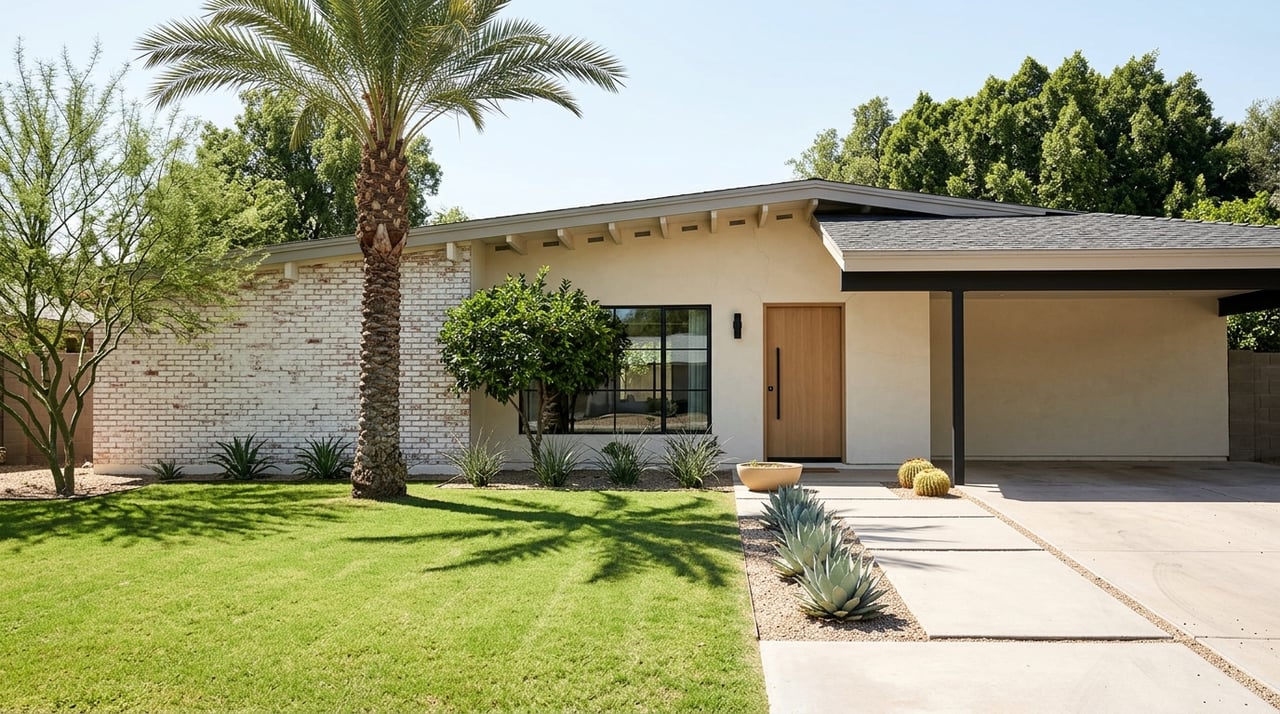
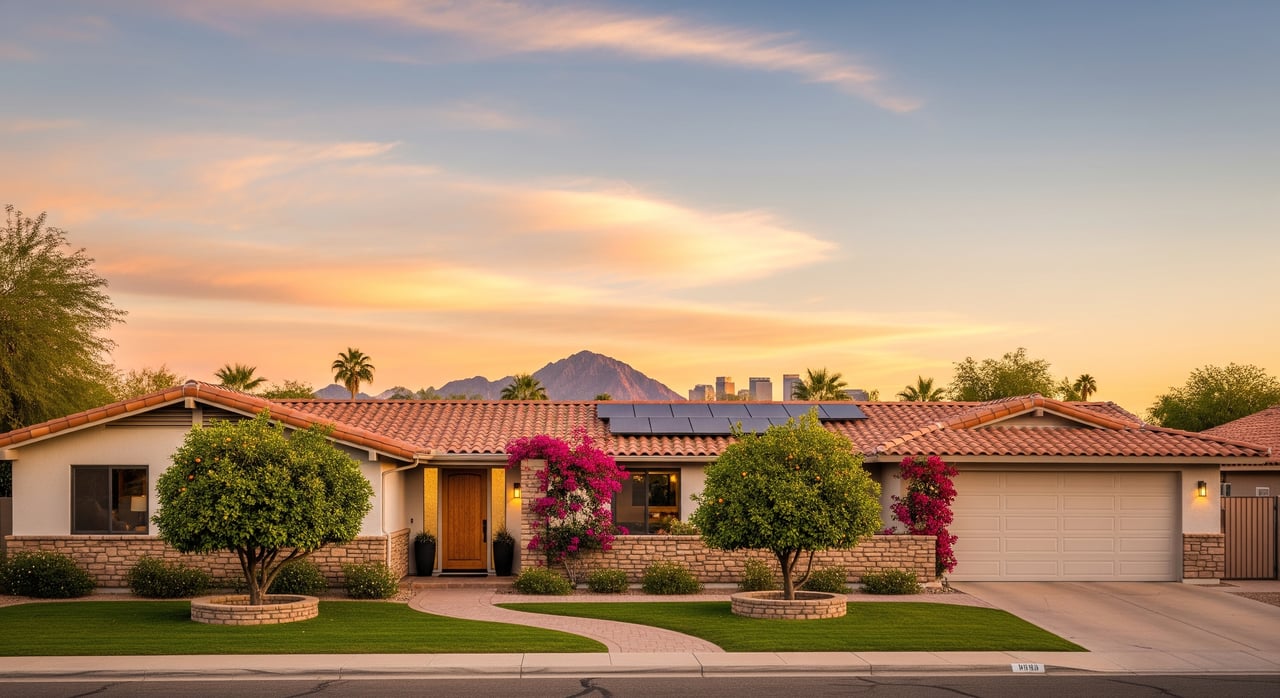
Arcadia’s charm comes with a mix of mid-century construction, modern upgrades, and occasional unpermitted projects. A thoughtful approach to CLUE helps you balance lifestyle goals with risk and cost. Focus on the story behind the claims, verify that repairs were done right, and make your offer terms reflect what you learn. That way you protect your budget, your timeline, and your peace of mind.
Ready to review a property’s insurance history and map out a smart offer strategy? Connect with the DiBiase Team for a quick buyer consult and a clear next step. We will help you gather the right documents, line up quotes early, and negotiate with confidence. Start the conversation with the team you can trust at Shelby DiBiase - Main Site.
FAQs
What is an Arizona CLUE report for a home purchase?
- It is a claims-history record used by insurers that lists past property insurance claims, including dates, types of loss, amounts paid, and the reporting insurer.
How far back do CLUE reports go for Arcadia homes?
- Industry materials commonly reference a seven-year lookback for property claims, though you should verify current retention practices when you order.
Can a seller share a CLUE report with an Arcadia buyer?
- Yes, sellers can request their property’s loss history from their insurer and provide it to you along with repair receipts and permit documents.
How do past water claims affect my Arcadia insurance premium?
- Repeated or recent water claims can trigger higher premiums, added underwriting scrutiny, repair requirements, or even coverage limitations with some carriers.
Do CLUE reports show permit status for Arcadia remodels?
- No, CLUE does not include permit records, inspections, or code compliance; you should request permits and final approvals directly from the seller.
What if the CLUE report for an Arcadia property has errors?
- You can dispute incorrect information through the consumer dispute process with the database operator and pursue corrections through appropriate state channels.
Will CLUE include flood insurance information for Arcadia?
- Flood coverage is typically separate from homeowners policies, so you should confirm flood zone status and any separate flood insurance needs during due diligence.