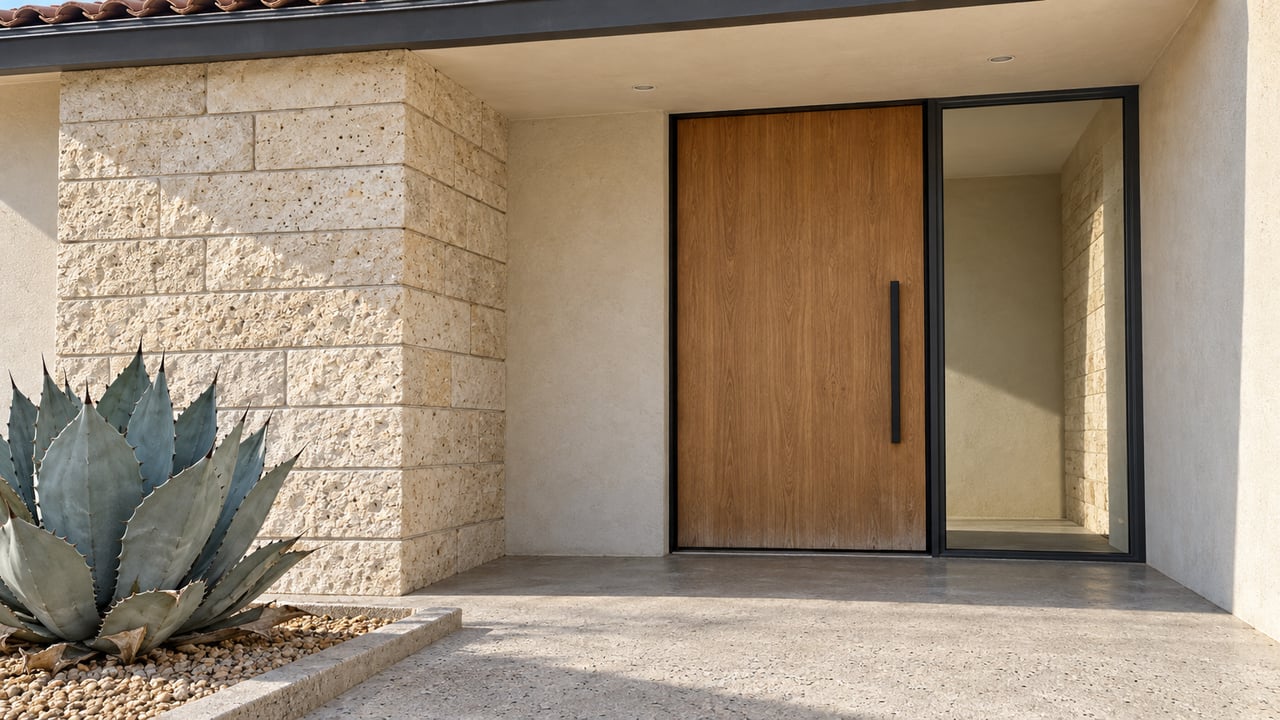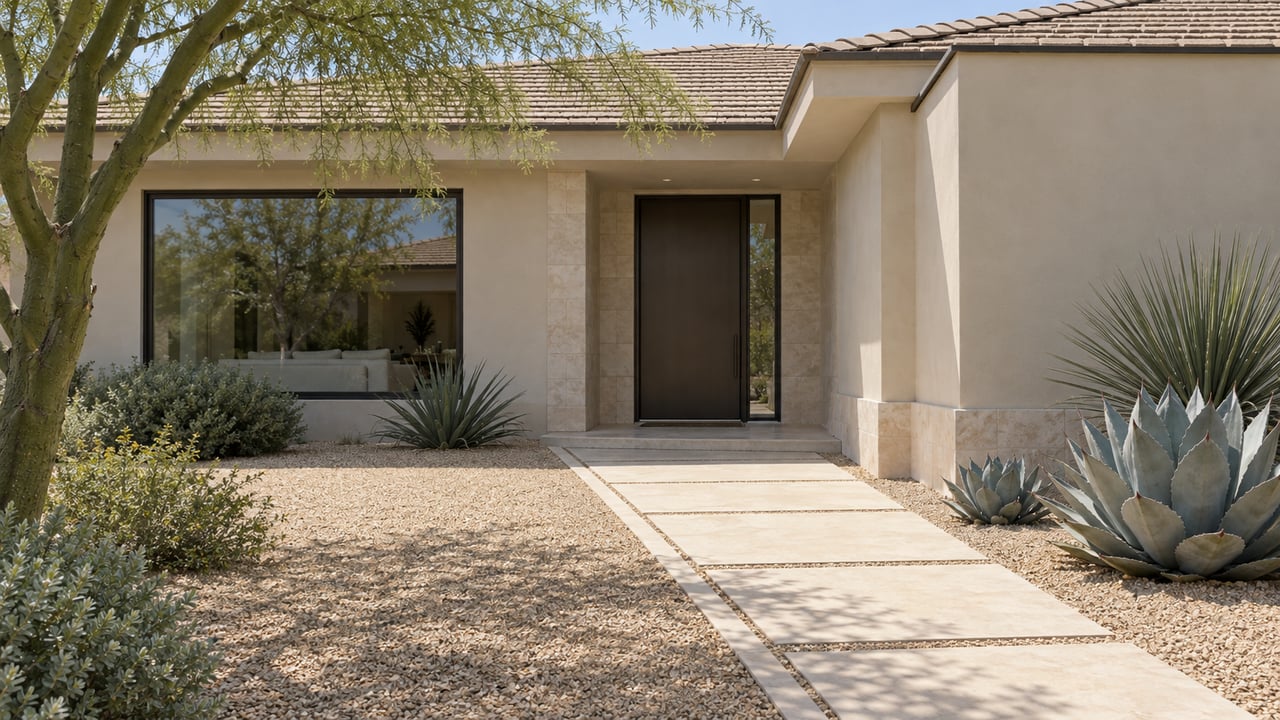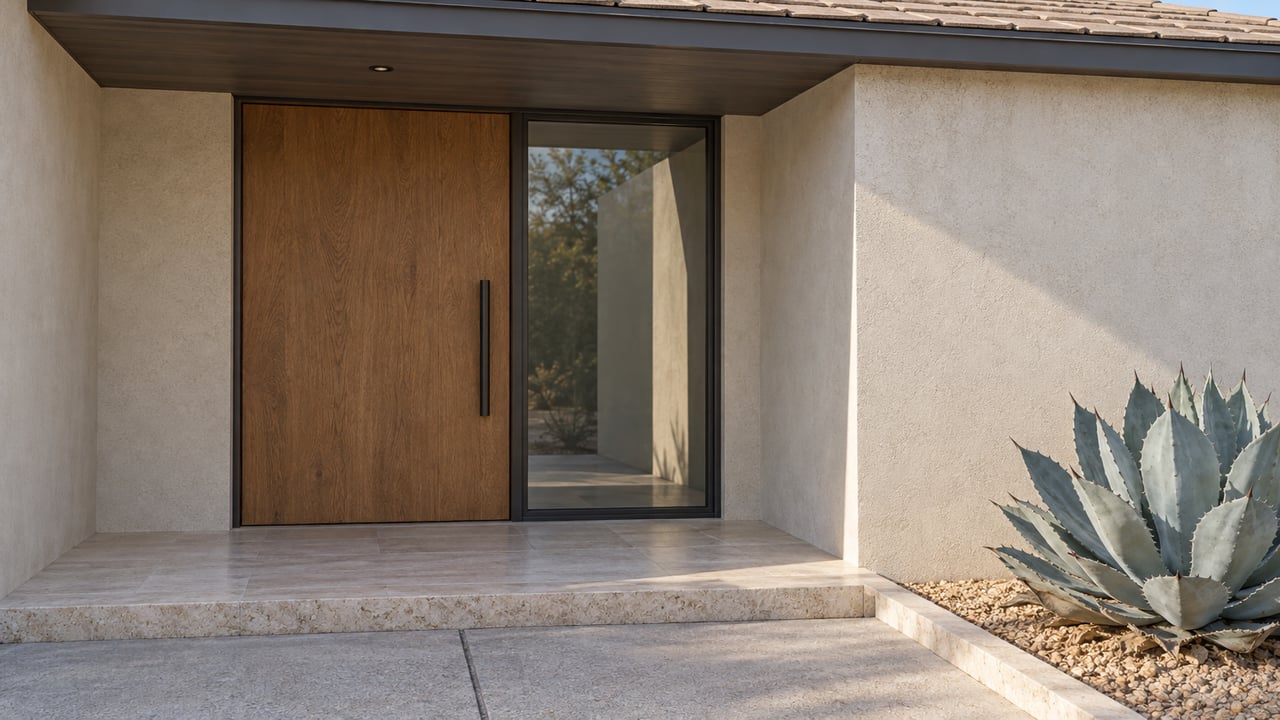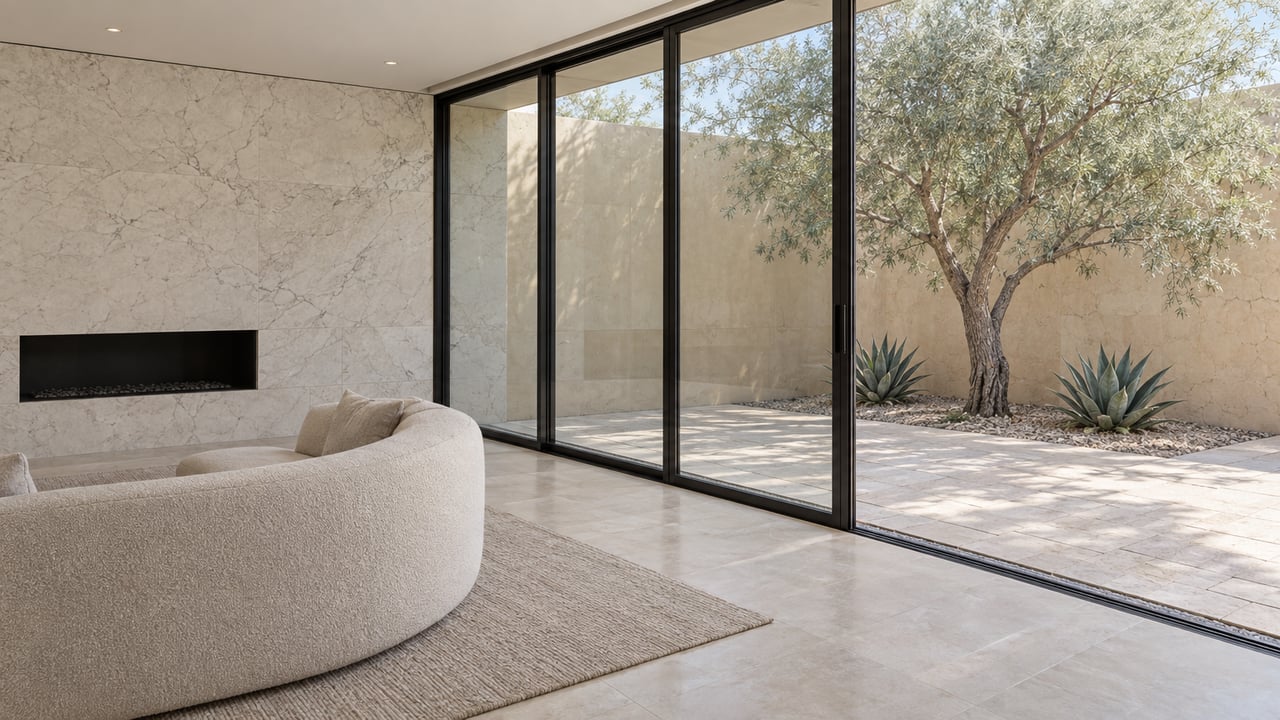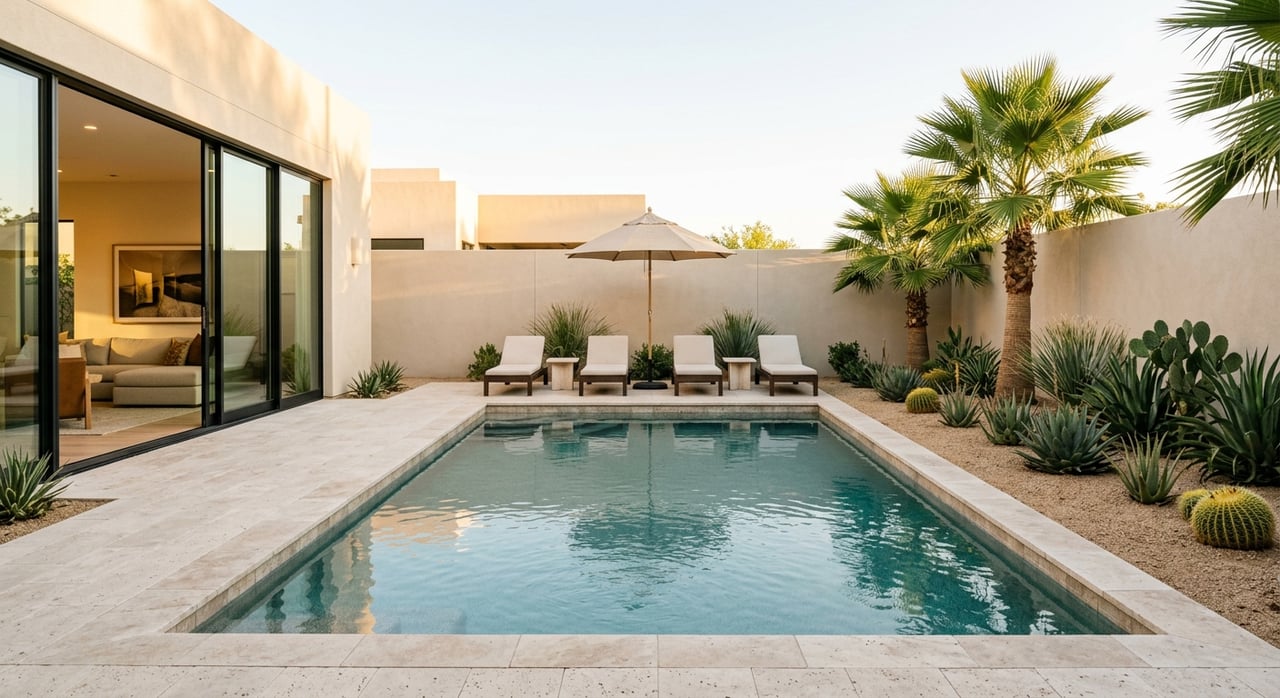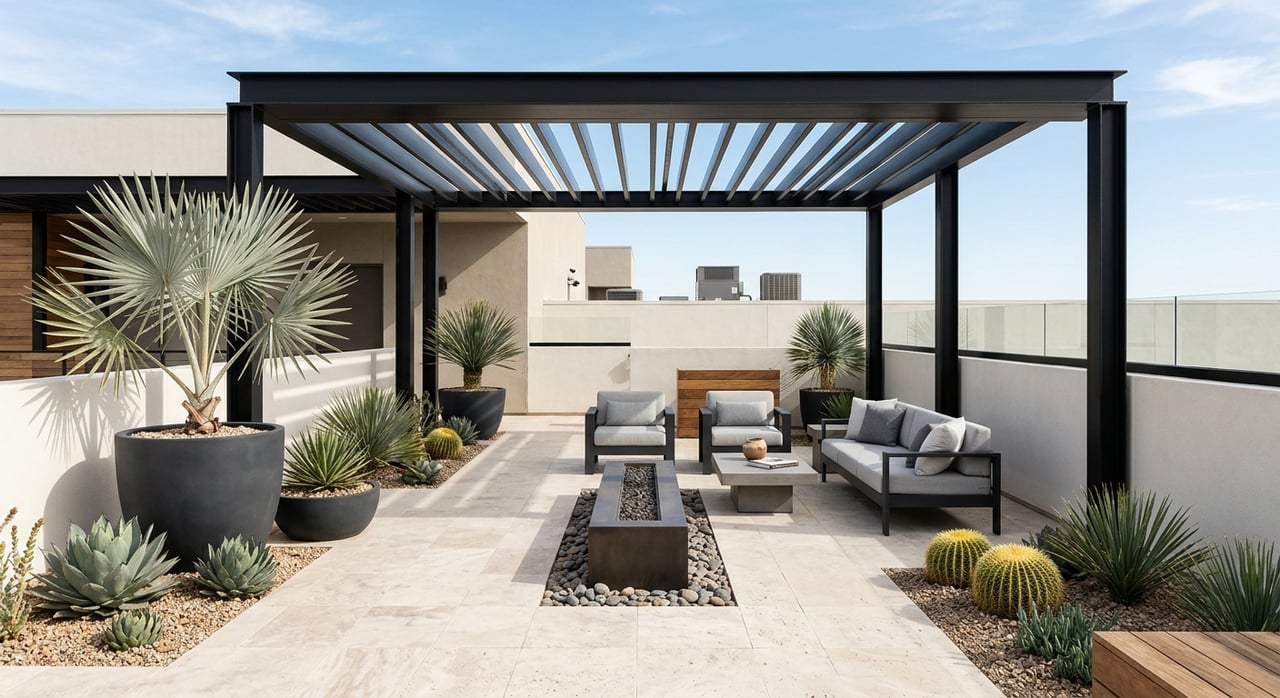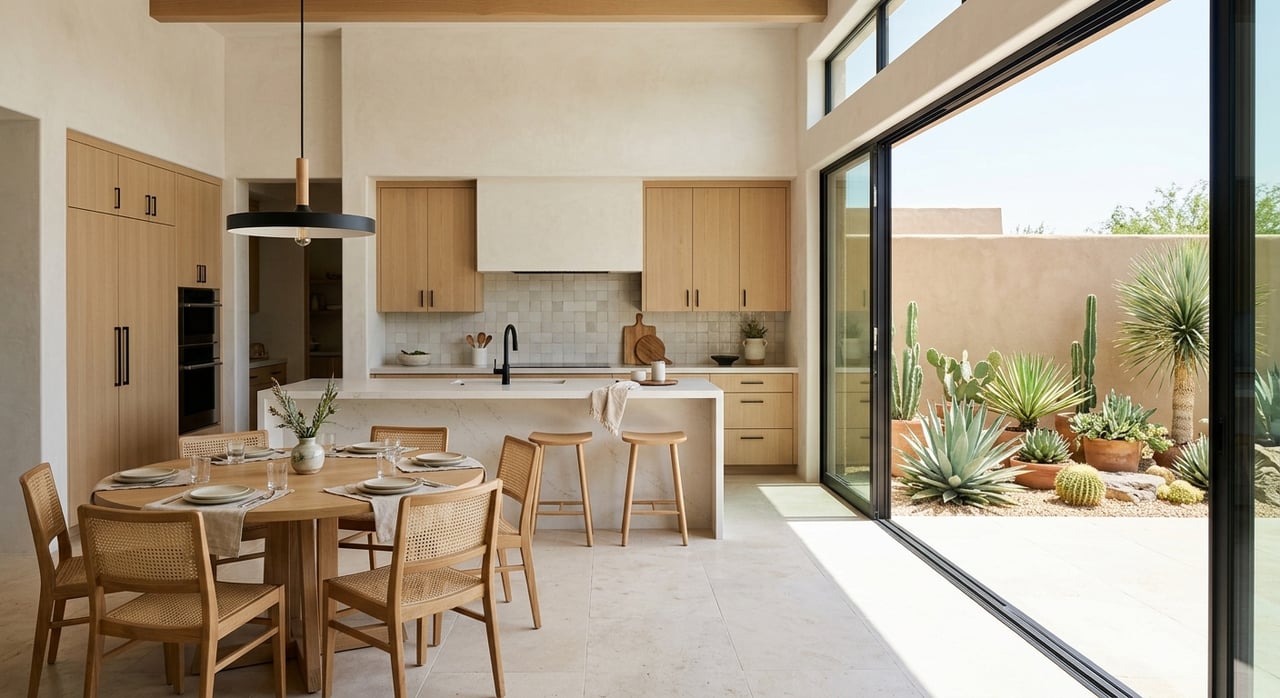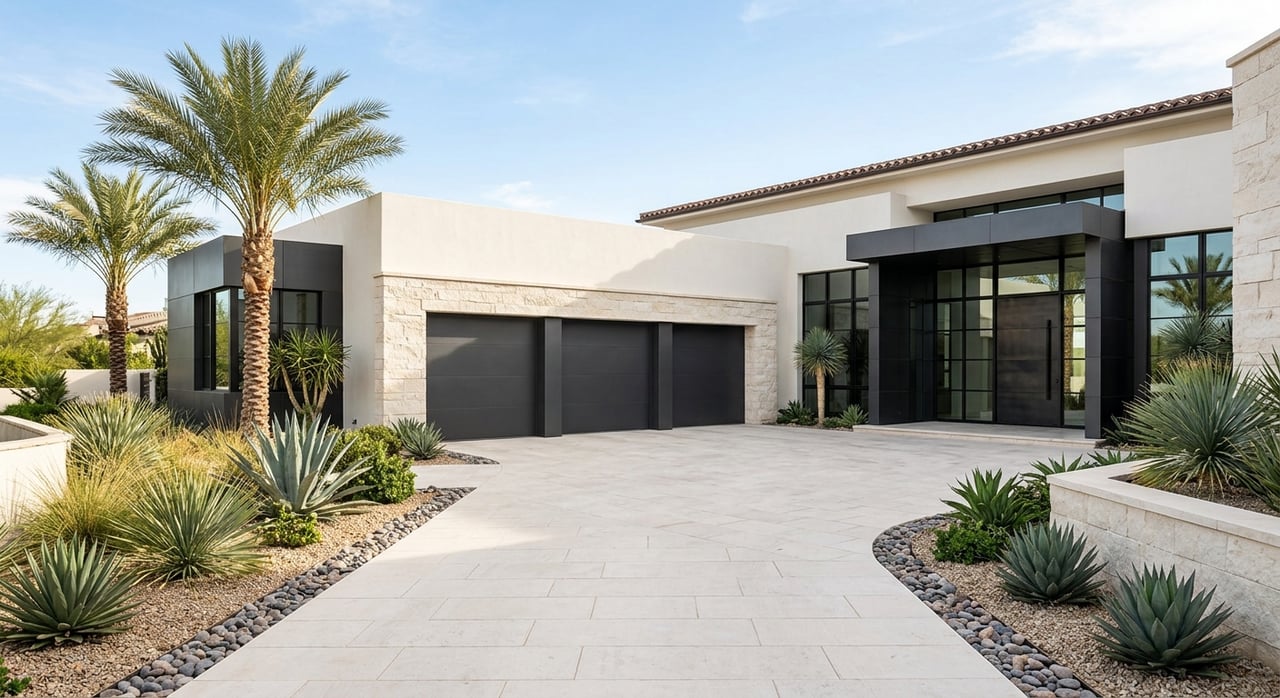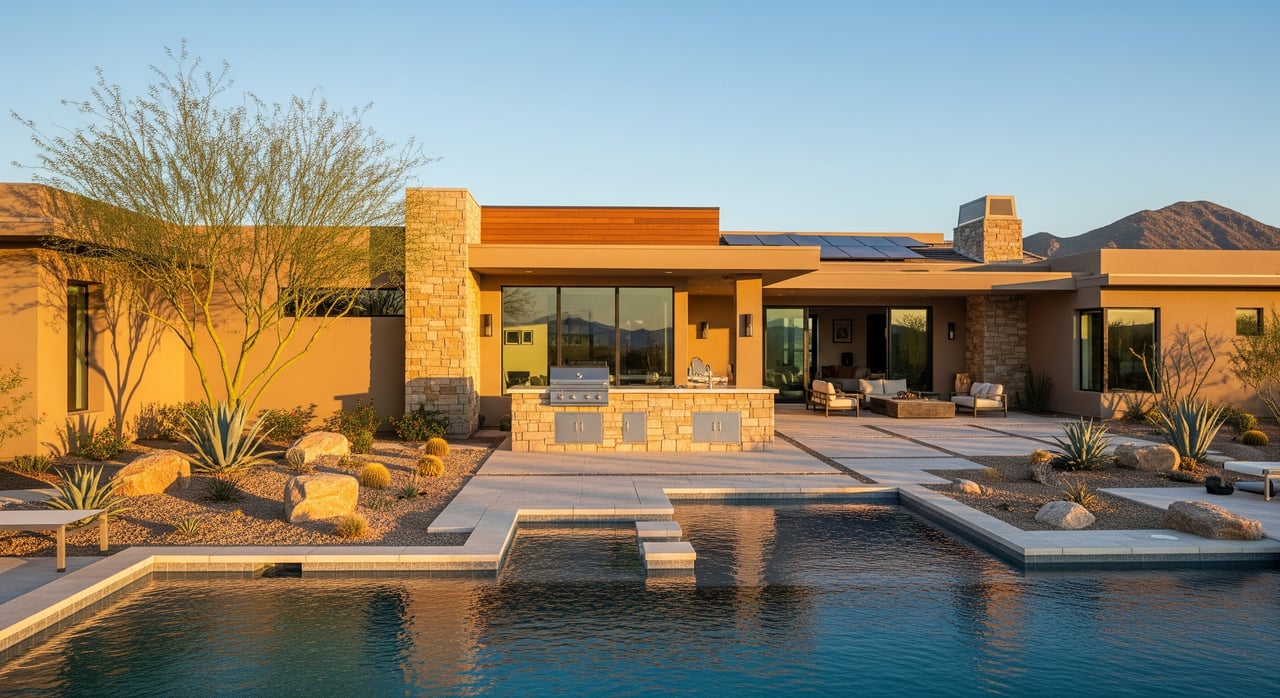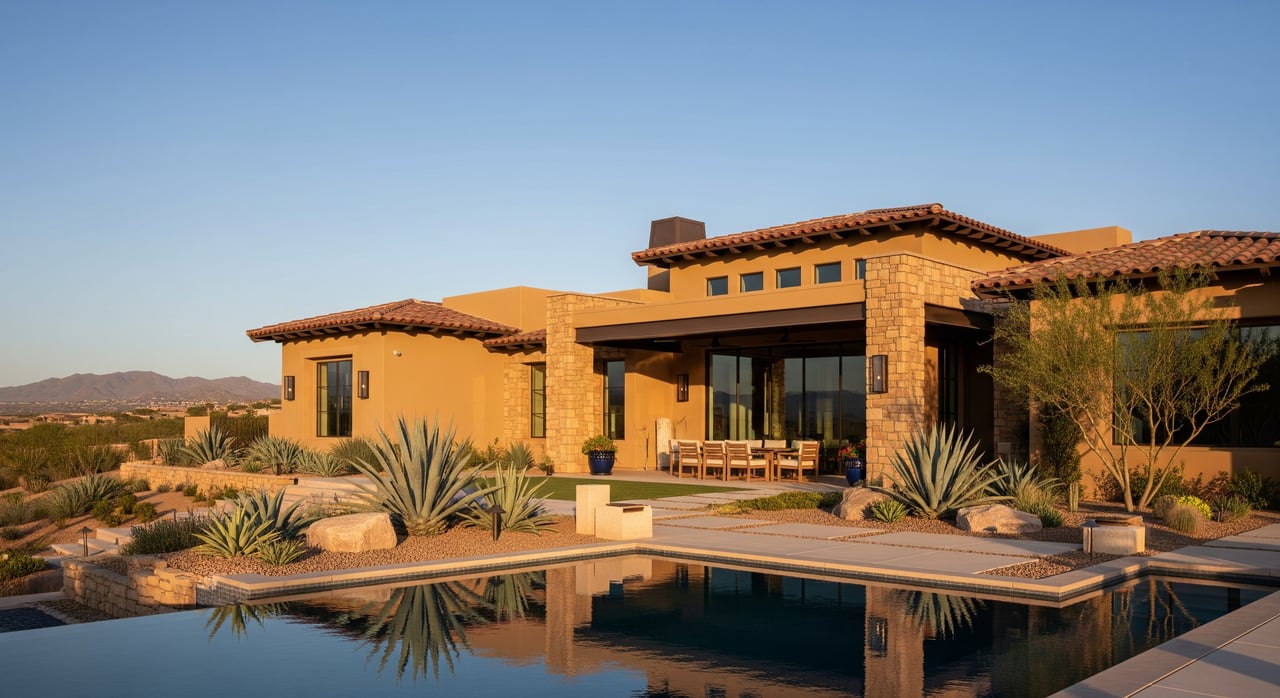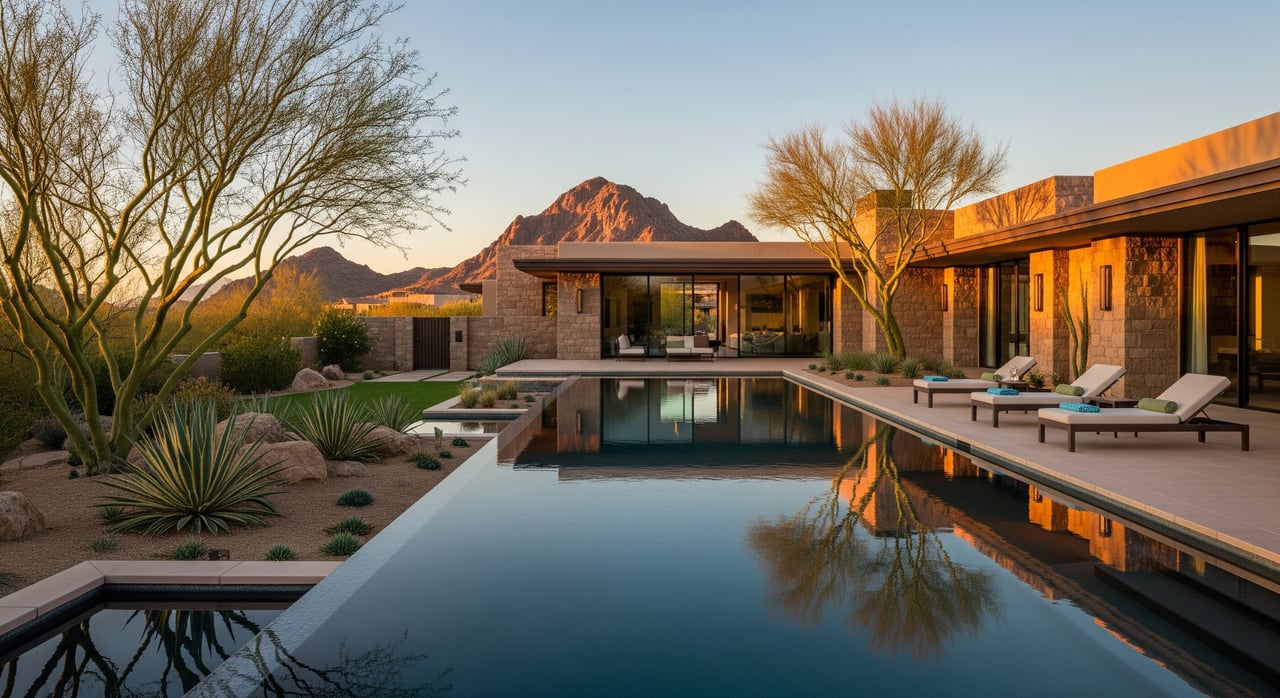
Dreaming of a Scottsdale escape you can lock, leave, and love coming back to? If you want cooler nights, big Sonoran views, and a low‑maintenance lifestyle, Troon Village belongs on your short list. Buying a second home here takes a bit of homework around HOAs, licensing, and operations, but it’s very doable with the right plan. In this guide, you’ll learn how Troon works, which home types fit a lock‑and‑leave life, what to verify before you write an offer, and how to set up your place so it runs smoothly when you’re away. Let’s dive in.
Why Troon Village works for second homes
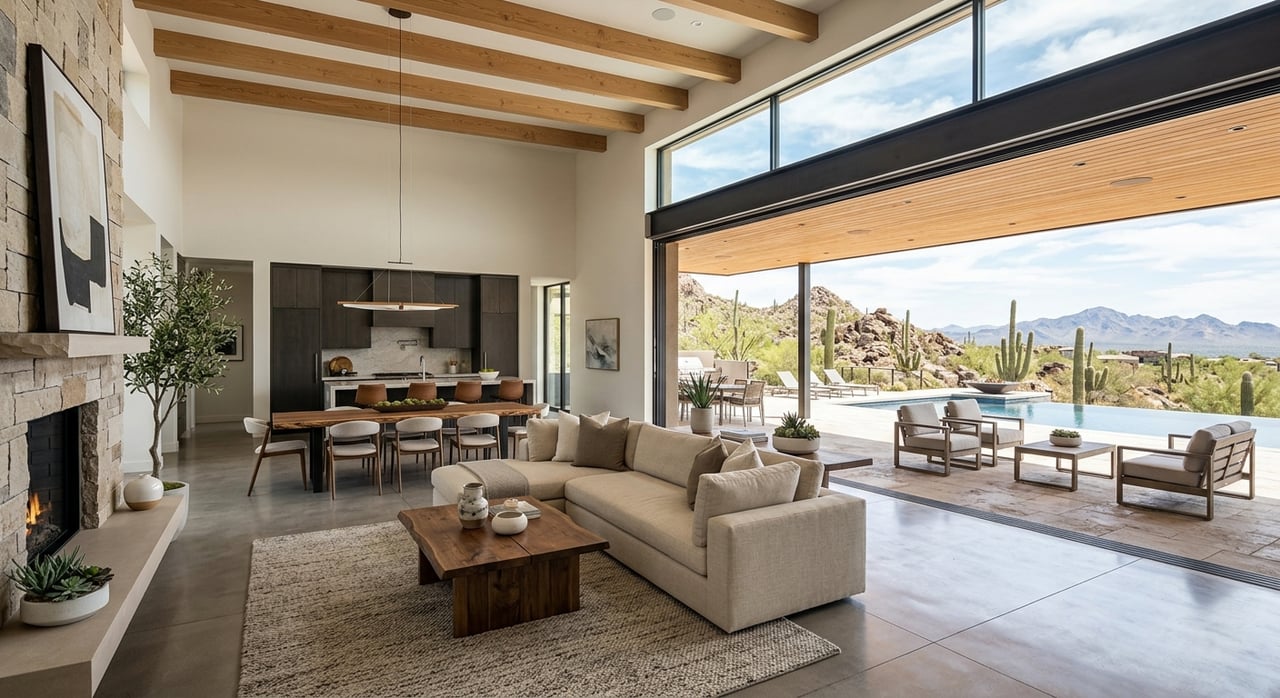
Cooler temps and mountain views
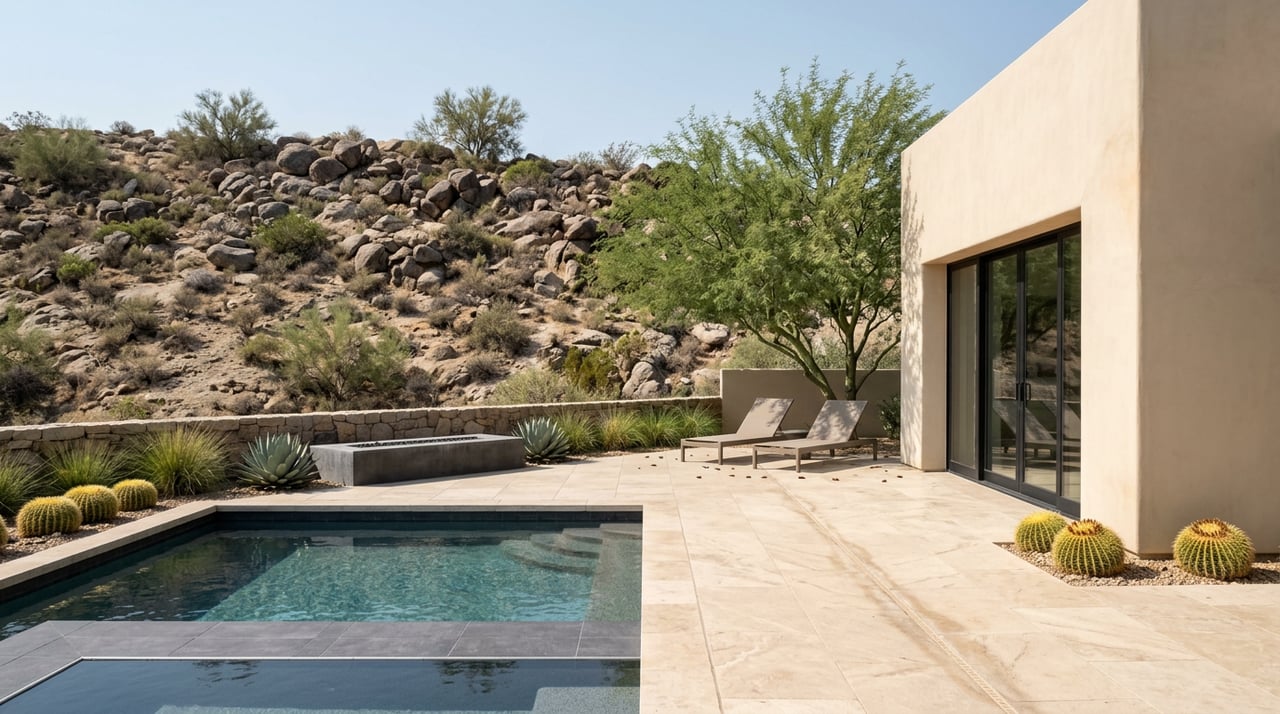
Troon Village sits at a higher elevation than much of the Valley, with many homes around 2,400 to 2,800 feet. That bump in elevation often means noticeably cooler summer days and evenings, plus crisp desert air and clear views. The master association highlights the community’s setting around Troon Mountain and its outdoor lifestyle focus. You’ll feel the difference when you step out at night after a warm day. Learn more about the community’s footprint on the Troon Village Association site.
Golf and private‑club lifestyle
At the heart of Troon Village is Troon Country Club, a private, membership‑based club anchored by a Tom Weiskopf and Jay Morrish course. Membership is independent of home ownership, and the club operates its own programs and waitlists. If golf, fitness, dining, and social events are part of why you’re buying, review options directly with the club. Explore amenities and membership details on the Troon Country Club site.
Location and access
You’re in far‑north Scottsdale near Happy Valley Road and east of Pima Road, roughly 7 miles from Loop 101. Typical drive times to Old Town or Kierland run about 20 to 30 minutes, depending on traffic. Plan 30 to 50 plus minutes to Phoenix Sky Harbor Airport. For lifestyle highlights and context, check this local Troon Village lifestyle overview.
Home styles and price context
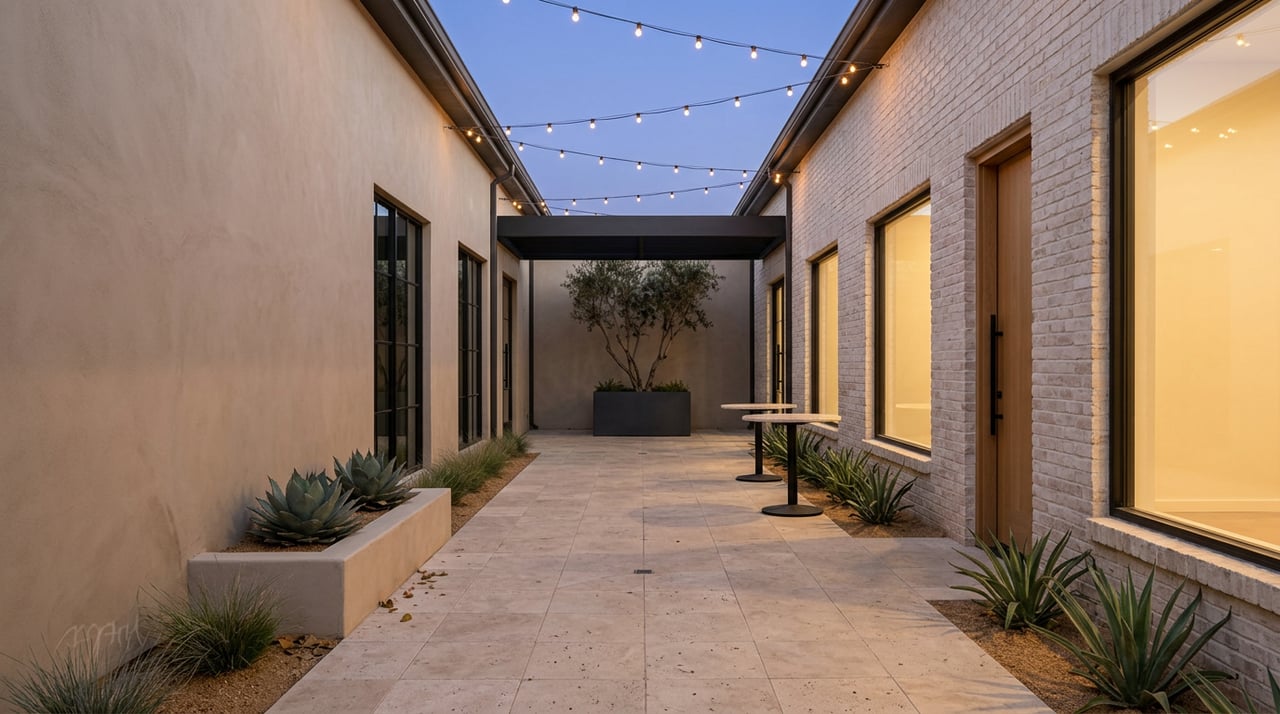
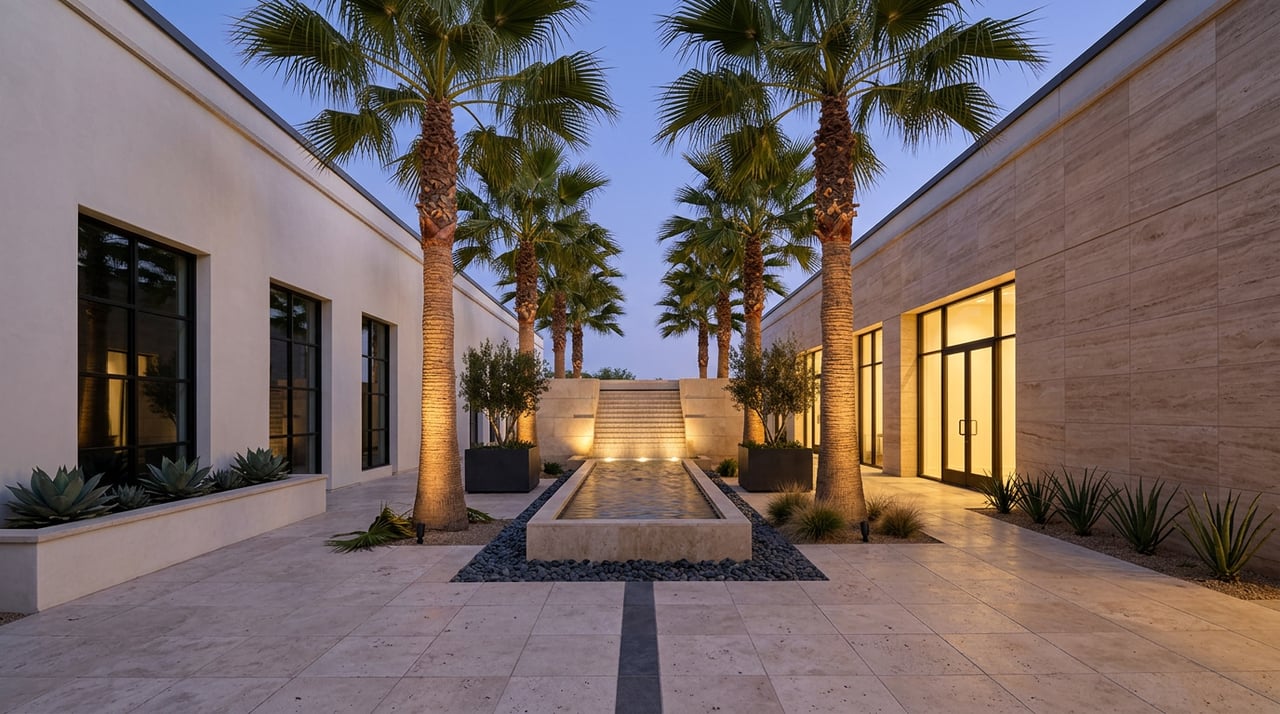
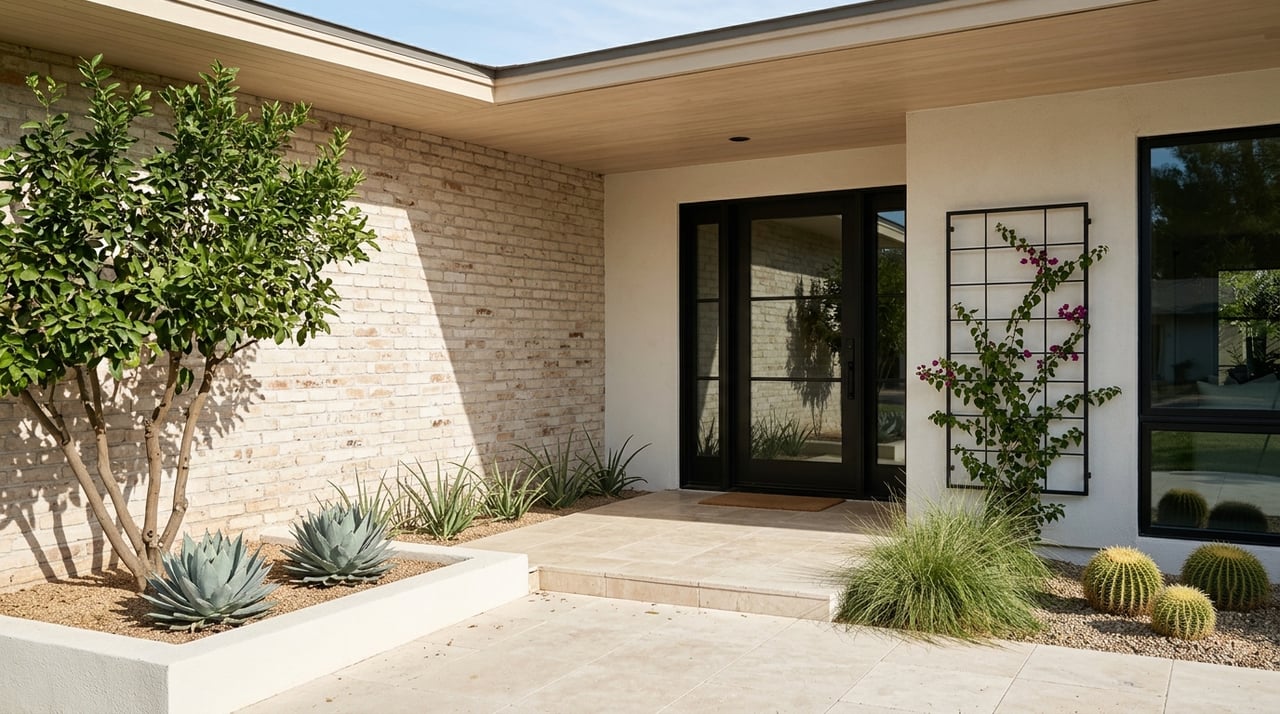
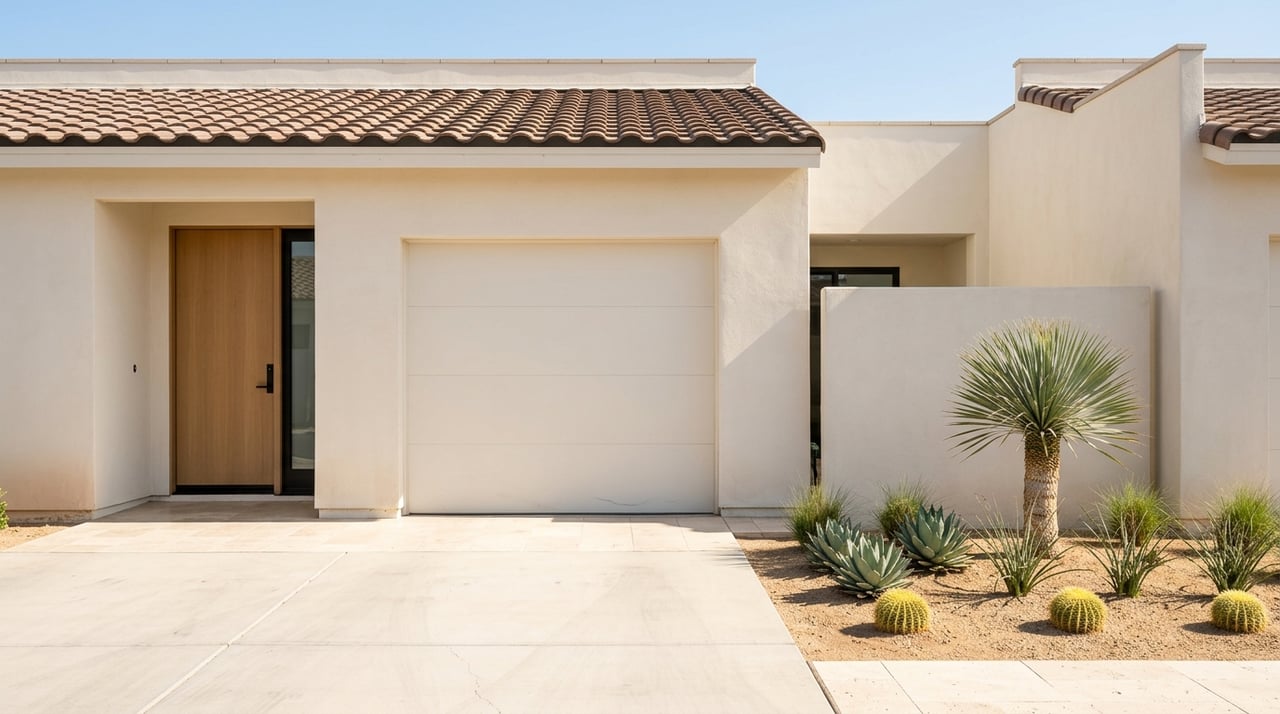
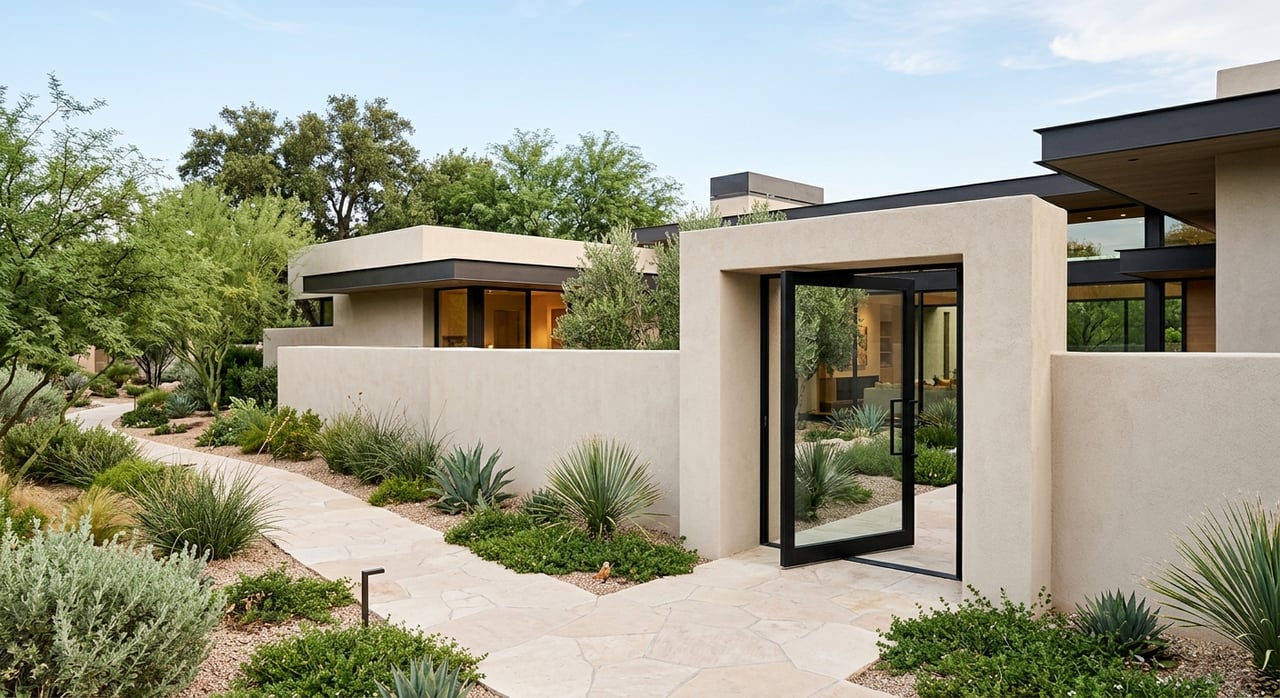
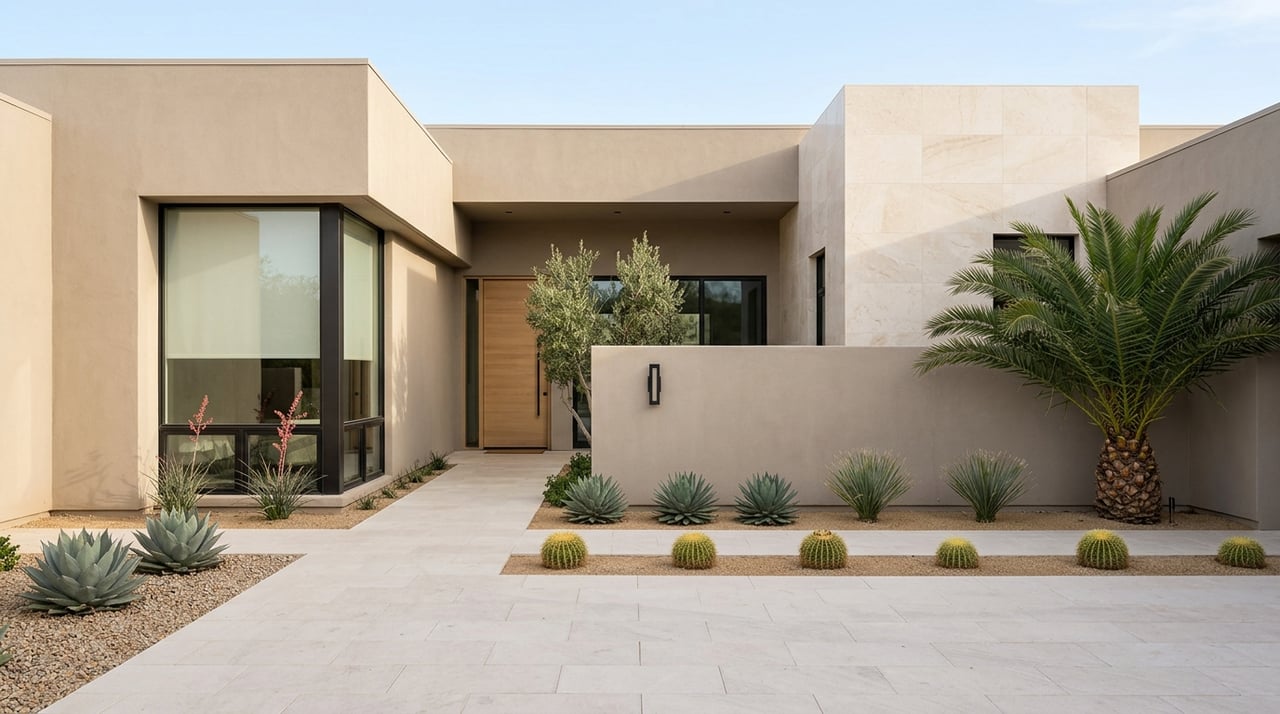
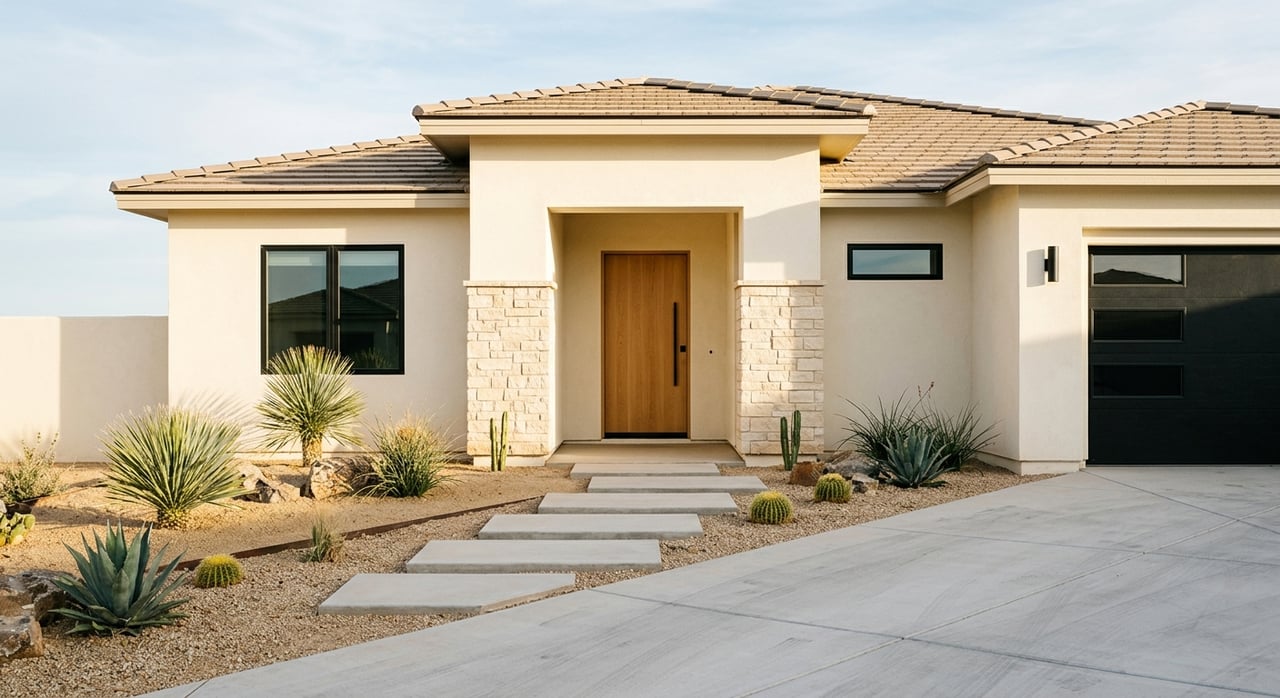
You’ll find patio homes, townhomes, semi‑custom properties, and custom estates across a mix of gated and guard‑gated enclaves. Lock‑and‑leave buyers often target townhomes and patio homes that minimize exterior upkeep. Market snapshots commonly place Troon Village’s median sale prices in the low to mid seven figures. Your exact costs will vary by sub‑neighborhood, lot, and finish level.
How the HOAs work in Troon
Troon Village has a master association, the Troon Village Association (TVA), plus multiple sub‑associations. The master association handles overall standards and architectural control. Sub‑associations manage specific gates, roads, pools, and neighborhood amenities, and each one sets what its dues cover. Start every purchase by gathering the master documents and the specific sub‑association packet for the lot you’re considering. The TVA provides community background and links to sub‑associations on its official site.
Rental and use rules to confirm
City law and HOA rules both apply, and the stricter rule controls. In the City of Scottsdale, any rental under 30 days requires a city license, tax registrations, insurance that meets city minimums, and neighbor notifications. If the home is in Phoenix, a separate ordinance applies with its own requirements. Your HOA can impose longer minimum lease lengths or additional restrictions, so do not assume city permission equals HOA permission. Review Scottsdale’s program details on the city’s short‑term rental page and Phoenix’s rules in the city ordinance PDF, then confirm your HOA’s specific CC&Rs in writing.
Lock‑and‑leave setup checklist
A lock‑and‑leave home should be easy to secure, simple to service, and prepared for seasonal swings. Use this list to plan your setup from day one.
Security and access control
Many Troon enclaves are gated or guard‑gated. Some, like certain Troon Mountain areas, maintain controlled access around the clock. Confirm gate hours, guest registration policies, and vendor access rules for your sub‑association. For a sense of how gated enclaves communicate local rules, review the Troon Mountain Community Association site.
Set up smart locks, exterior cameras with cloud backup, and a monitored alarm. Share digital codes with service pros and change them after each visit. This keeps key control tight without a lot of on‑site coordination.
Exterior care and services
If you want minimal yard work, target sub‑associations where front‑yard landscaping and irrigation are covered by the HOA. You’ll still want a trusted vendor for seasonal checks, but much of the weekly workload goes away.
Private pools need reliable service, especially if you plan to rent. Scottsdale’s short‑term rental rules include pool‑barrier and safety measures, so plan those details early if renting is in your plans. You can review the city’s requirements on the Scottsdale short‑term rental page.
Budget for pest control and have a local emergency contact for wildlife issues. HOAs in the area publish practical guidance and vendor tips, a reminder that desert living benefits from routine prevention.
HVAC and seasonal prep
Schedule A/C tune‑ups in spring and post‑monsoon inspections in late summer. Replace filters before long absences and set programmable thermostats for energy savings while maintaining safe humidity and temperature levels for the home.
Professional help for peace of mind
If you plan to operate a vacation rental, a full‑service manager can handle cleaning, guest communication, and maintenance, with fees that commonly run 20 percent or more of rental revenue. If you do not plan to rent, house‑watch and maintenance‑only packages are easy to set up and usually include regular walk‑throughs and quick response to alarms. You can compare services offered in Scottsdale by firms like VacayAZ.
Insurance and risk management
Standard homeowner policies often exclude short‑term rental activity. Scottsdale’s licensing program requires liability insurance that meets city minimums. If you expect any short stays, ask your insurance broker for the right STR‑specific endorsement or commercial coverage, and get it in writing before you list the home for rent. Review Scottsdale’s requirements on the city’s STR information page.
Best home types for minimal upkeep
Lock‑and‑leave buyers in Troon tend to focus on:
- Townhomes and patio homes with HOA‑managed front yards and common areas.
- Single‑level floor plans that are easier to clean and manage.
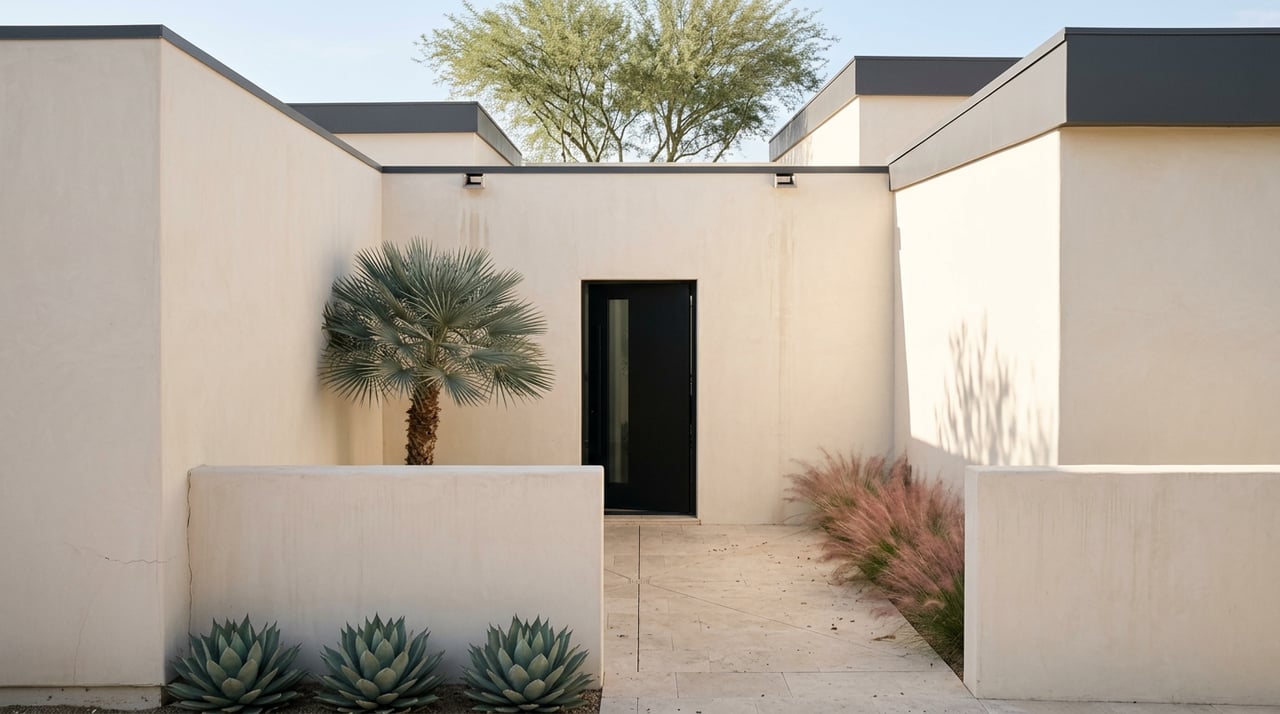
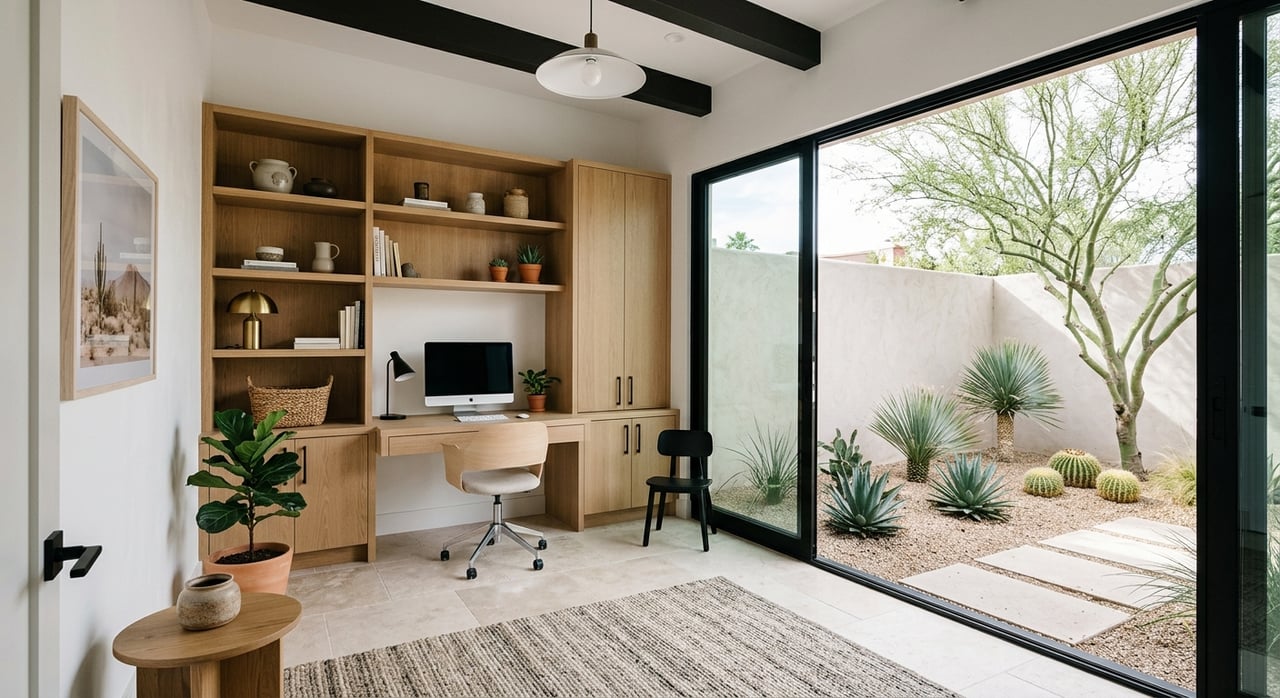
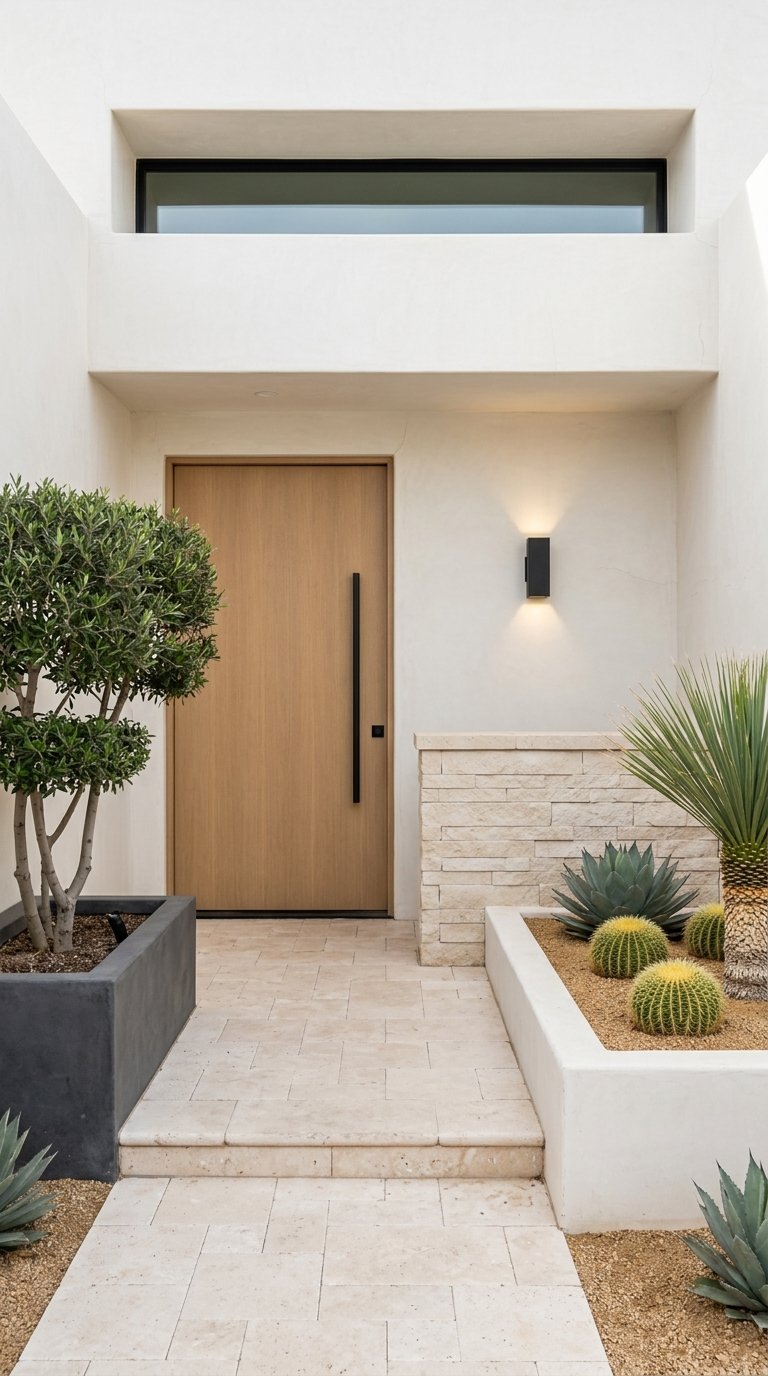
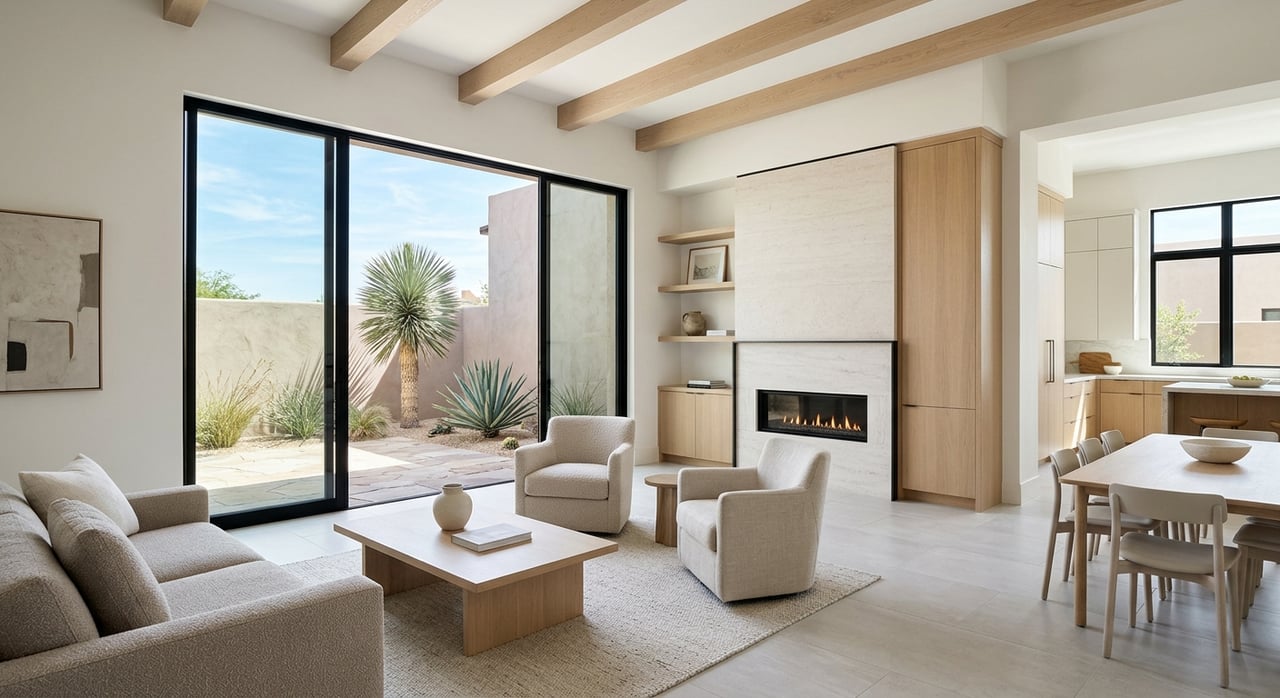
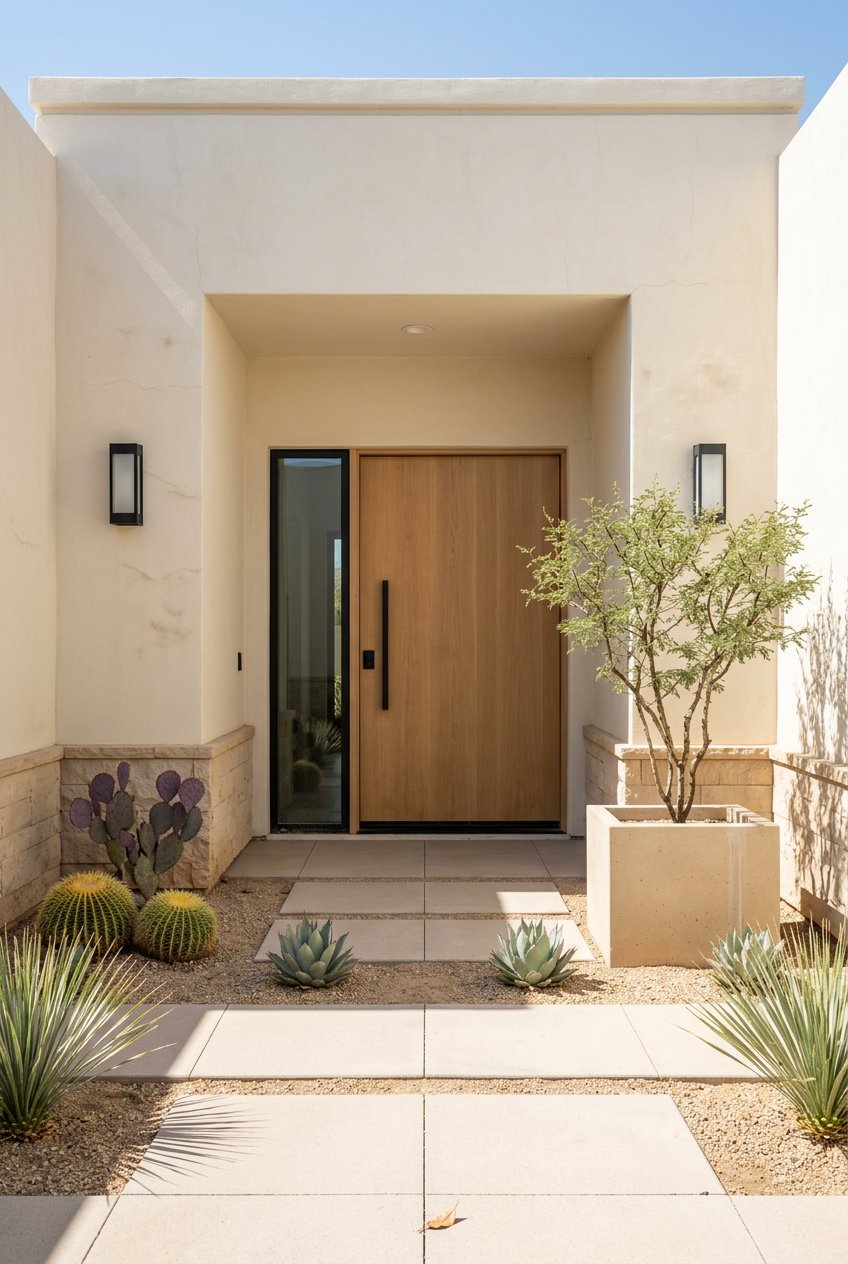
- Homes with durable finishes, such as tile or stone floors and simple desert landscaping.
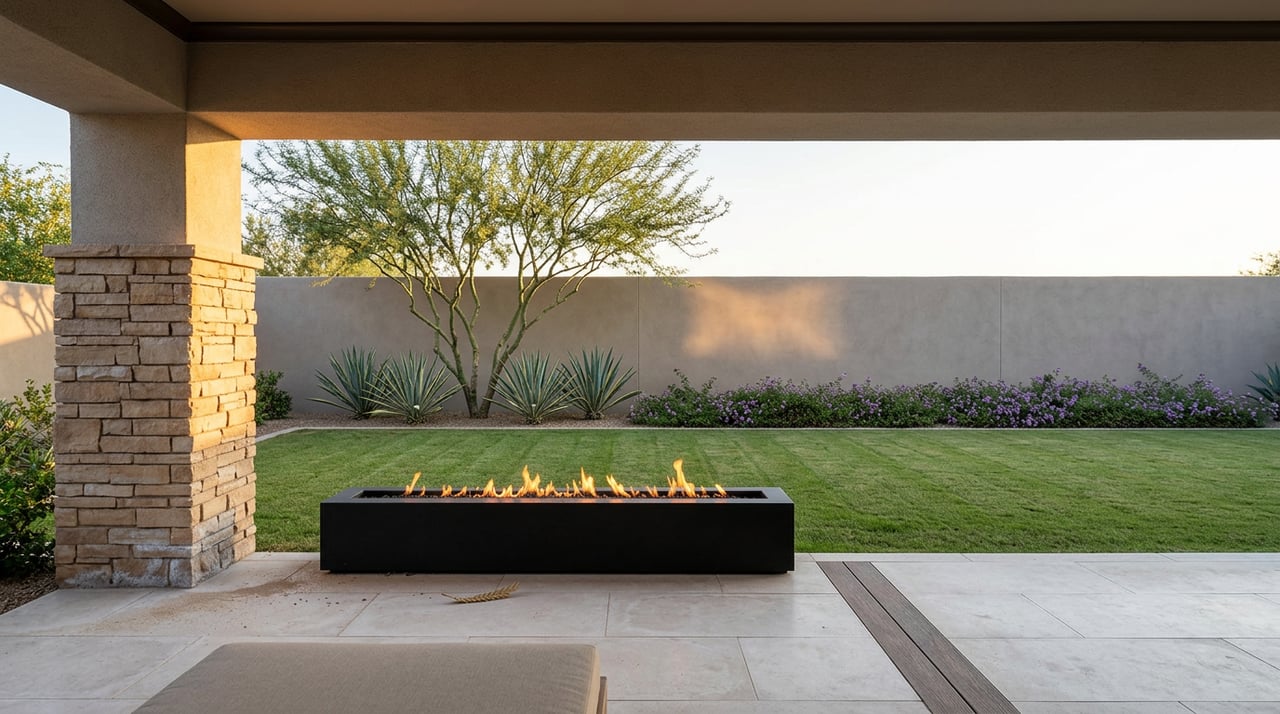
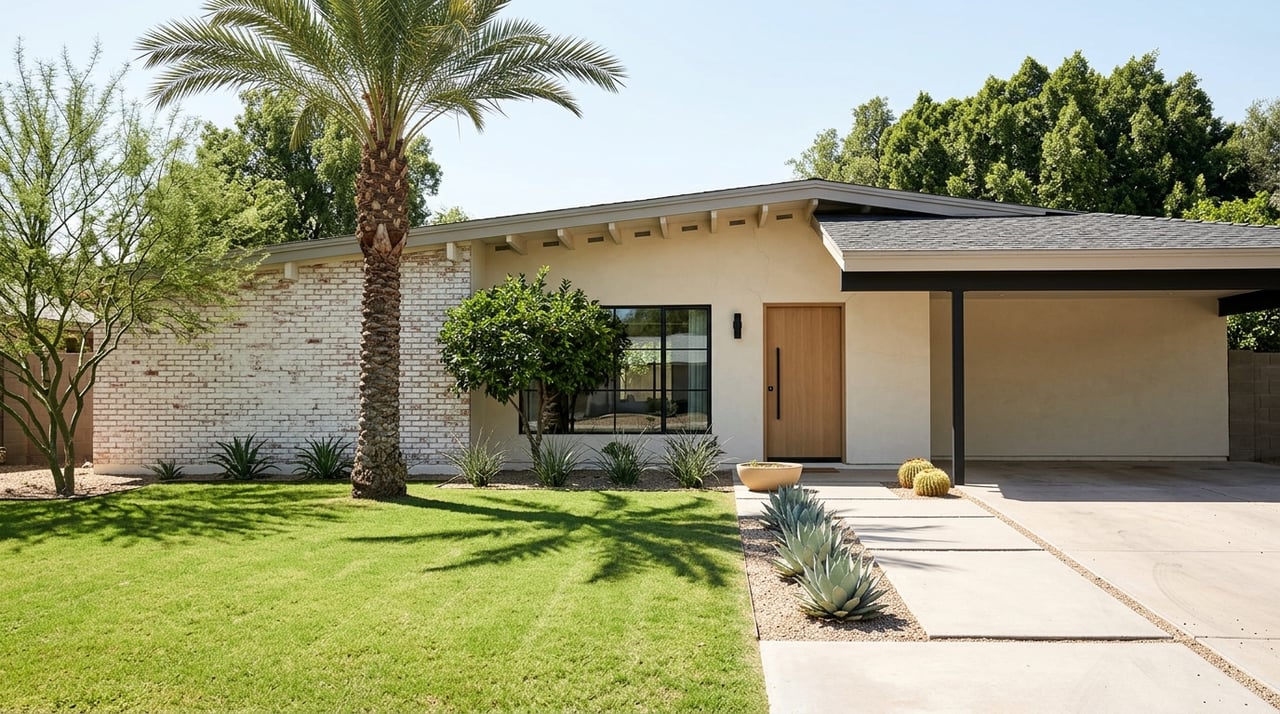
- Properties with covered patios and xeriscape instead of turf.
- Garages with built‑in storage for seasonal gear.
Larger custom estates can be wonderful for gatherings but usually require more coordination across pool service, landscaping crews, HVAC zones, and irrigation. If you travel often, ask vendors for written schedules and service scopes before you close.
Planning to rent your Troon home
If you intend to rent part‑time, build your compliance plan early.
- Licensing and taxes. In Scottsdale, you must obtain a city short‑term rental license for stays under 30 days, register with the Arizona Department of Revenue for TPT, and register the rental status with the Maricopa County Assessor. If the parcel is in Phoenix, a different ordinance and process apply. Start by confirming which city your lot is in using the Maricopa County Assessor’s Parcel Viewer, then follow the right city’s checklist.
- HOA rules vs. city rules. HOAs can set longer minimum lease lengths than the city or restrict short‑term rentals altogether. Get the CC&Rs and any amendments for your exact lot and ask the HOA to confirm active enforcement in writing.
- Budget and operations. Include HOA dues, STR‑appropriate insurance, management fees, cleaning, utilities, and reserves for repairs. Seasonality and local events affect occupancy and rates, so request revenue projections from a local manager.
Before you write an offer: due‑diligence checklist
Use this step‑by‑step list to avoid surprises later.
- Verify parcel jurisdiction. Confirm whether the home is in the City of Scottsdale, the City of Phoenix, or unincorporated Maricopa County using the Maricopa County Assessor’s site. City boundaries affect STR rules and permits.
- Order the full HOA resale packet. Ask the seller for the master and sub‑association documents: CC&Rs, bylaws, rules, architectural guidelines, meeting minutes, current budget and reserve study, assessment history, and rental‑restriction language. If documents sit behind an owner login, request them in escrow.
- Ask targeted HOA questions. Confirm minimum rental periods, current count of active STRs, guest parking and noise policies, and whether any special assessments or capital projects are planned.
- Confirm dues and coverage. Request a recent dues invoice and the latest audited financials, and ask what the dues include, such as front‑yard landscaping, gate staffing, or road maintenance.
- Lock in licensing and insurance. If you plan to rent, review Scottsdale’s licensing, county and state registrations, and insurance minimums, then get written confirmation from your insurance broker that the policy covers your intended use. Start with the Scottsdale STR guidance.
- Compare management options. Solicit at least two proposals for either full STR management or house‑watch services. Confirm emergency contacts for pool, HVAC, plumbing, and electrical.
- Build your lock‑and‑leave playbook. Document keyholder access, weekly checks, seasonal A/C and pool service, irrigation winter and monsoon settings, mail handling, and a clear path for neighbor or guest issue escalation.
Quick neighborhood snapshot
- Community scale. Troon Village spans roughly 1,300 to 1,600 home sites across about 1,400 acres and includes a dozen sub‑associations, according to the Troon Village Association.
- Elevation and feel. Homes sit around 2,400 to 2,800 feet, which can mean cooler days and nights compared with lower‑elevation neighborhoods.
- Access. Expect about 7 miles to Loop 101, around 20 to 30 minutes to Old Town or Kierland, and roughly 30 to 50 plus minutes to Sky Harbor depending on traffic.
- Lifestyle. Private‑club golf, gated enclaves, and a mix of patio homes, townhomes, and custom estates give you options for a true lock‑and‑leave setup.
Ready to find your Troon lock‑and‑leave?
If Troon Village fits your vision for easy second‑home living, you deserve a plan that covers the details and lets you enjoy the lifestyle. Our team helps you confirm jurisdiction, review HOA rules, compare home types for low upkeep, and line up trusted local vendors. When you are ready to see homes or want a second‑home strategy that matches your goals, reach out to the Shelby DiBiase - Main Site and let’s build your shortlist.
FAQs
Does Troon Village allow short‑term rentals?
- It depends on the exact lot. Scottsdale requires a short‑term rental license for stays under 30 days, plus insurance and notifications. Your HOA may require longer minimum stays or restrict STRs, so confirm both city rules and your CC&Rs in writing. Review Scottsdale’s program on the city’s STR page.
How much are HOA dues in Troon and what do they cover?
- Dues vary by sub‑association. Ask for a recent invoice, the current budget, and audited financials, and verify what is included, such as landscaping, gate staffing, pools, and roads. Each enclave sets its own structure and coverage.
Is a Troon home a better lock‑and‑leave choice than a condo?
- Townhomes and patio homes with strong HOA services are typically the easiest for lock‑and‑leave living. Condos can be even more hands‑off. Larger custom estates often require more vendor coordination, so factor in time or management costs.
How do I confirm if a Troon property is in Scottsdale or Phoenix?
- Start with the Maricopa County Assessor’s Parcel Viewer to check jurisdiction, then confirm with the listing documents. City boundaries affect licensing, timelines, and operating rules for rentals.