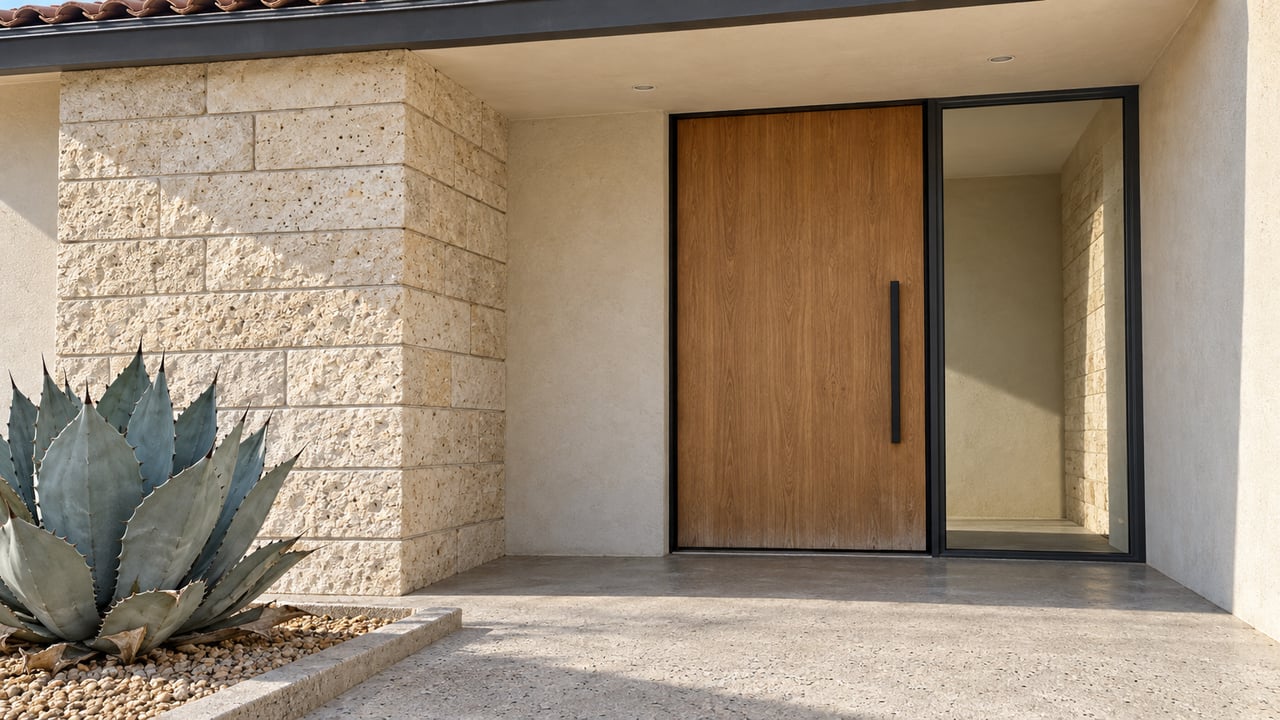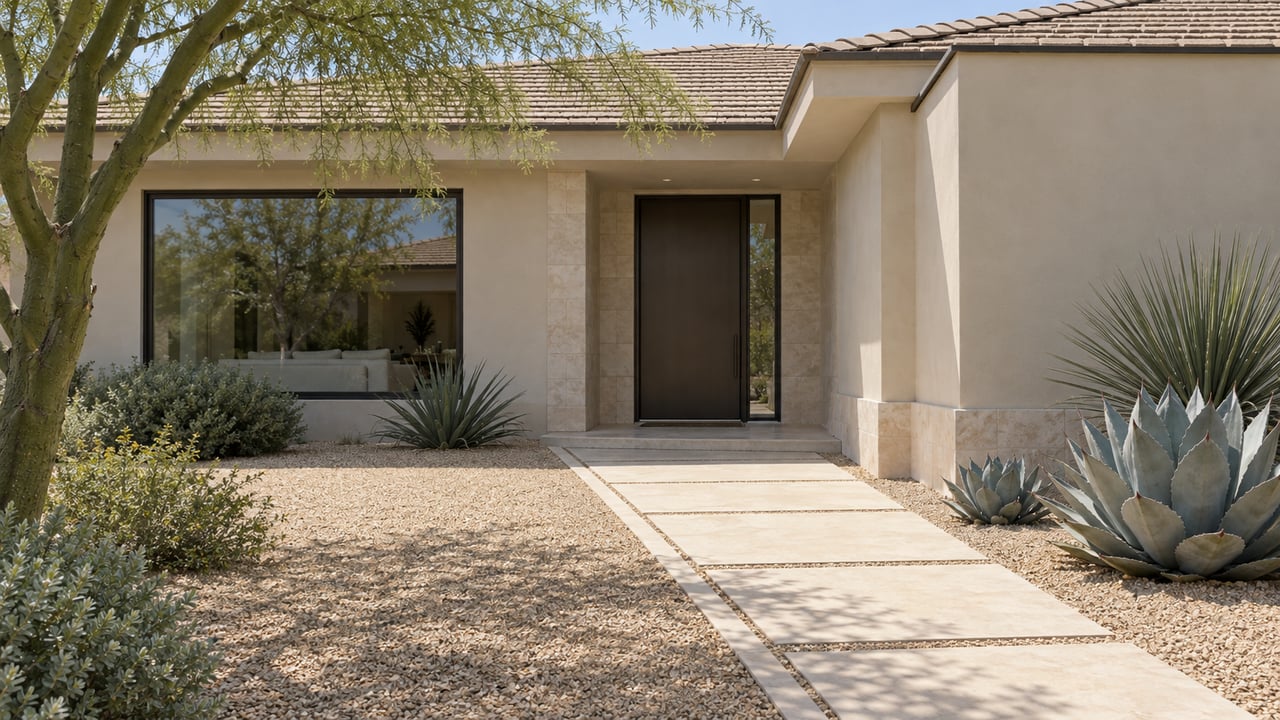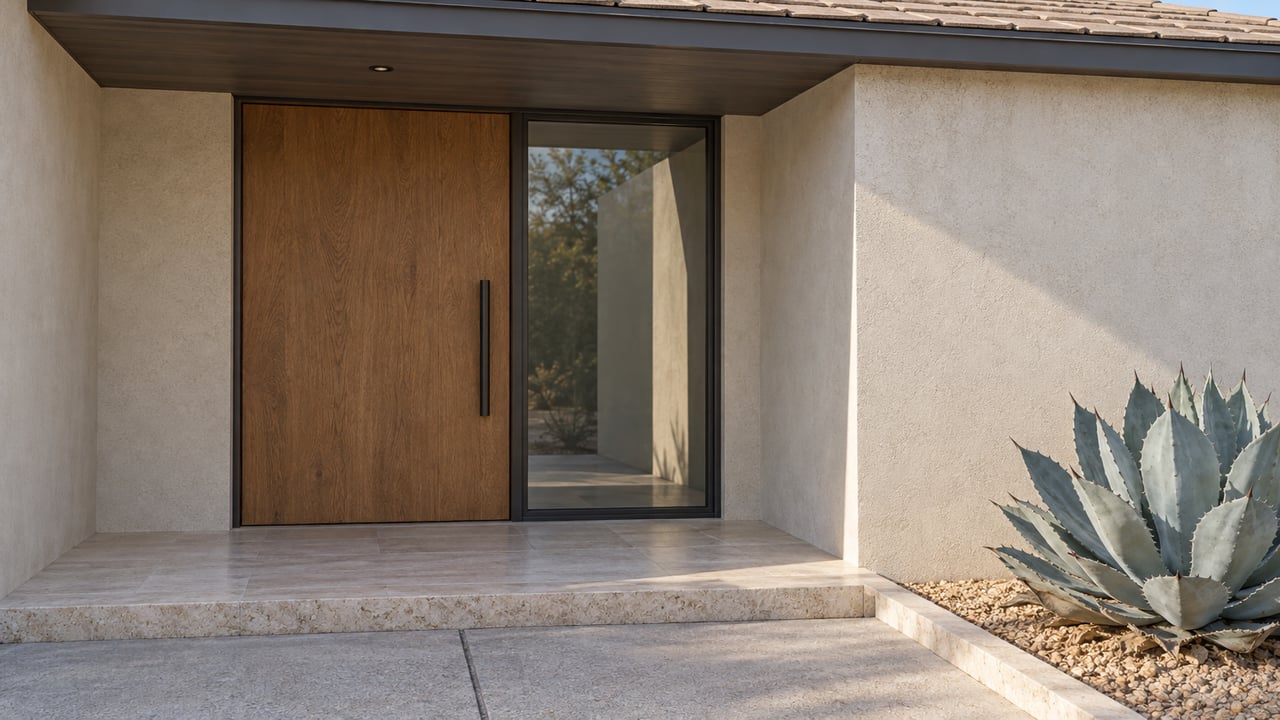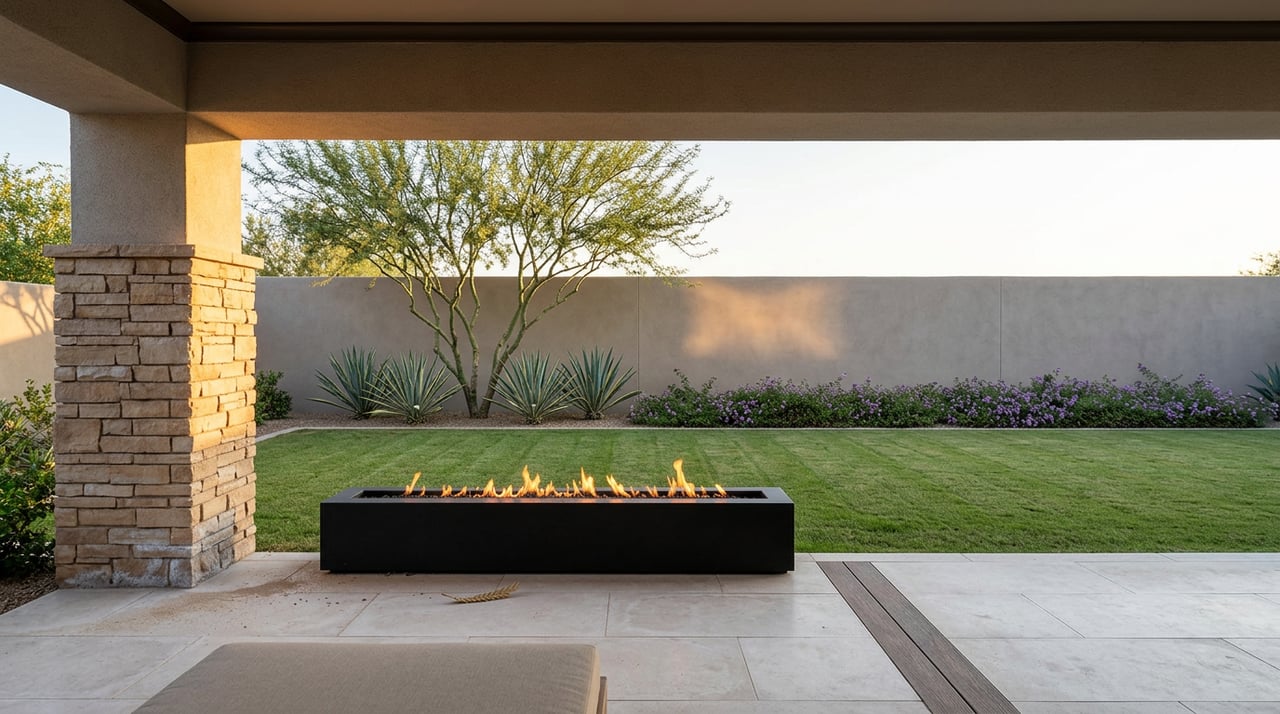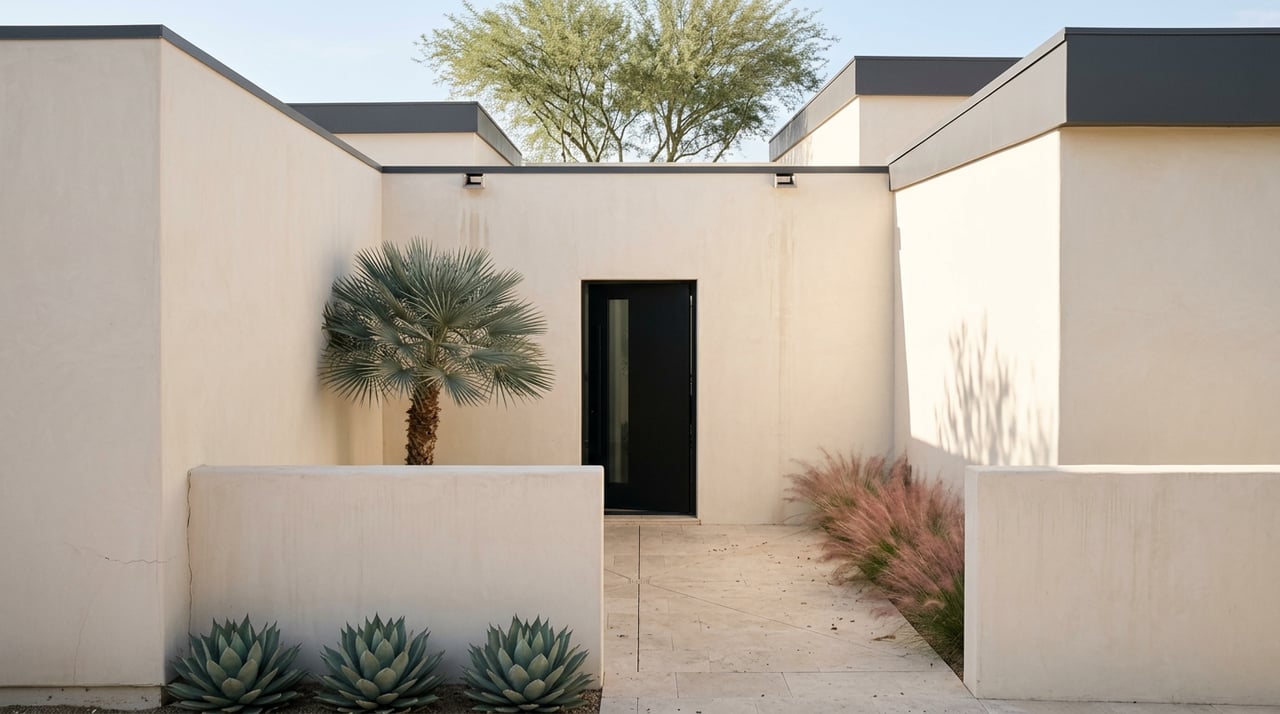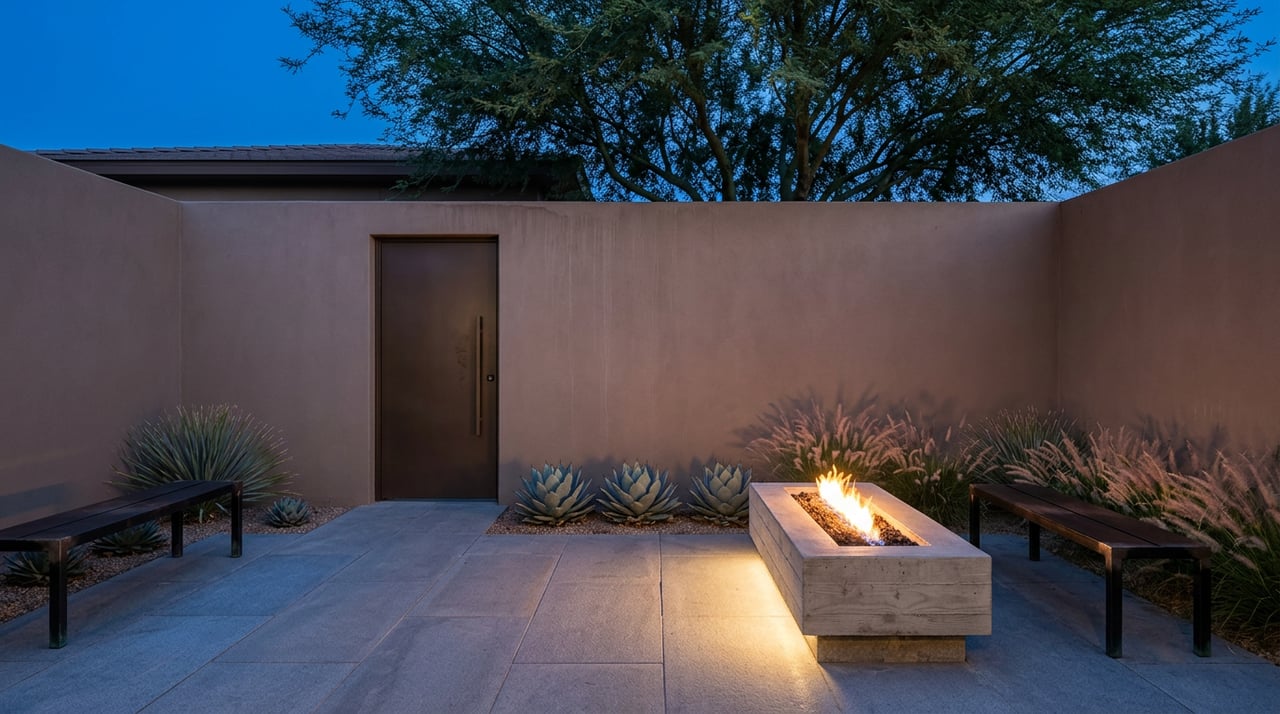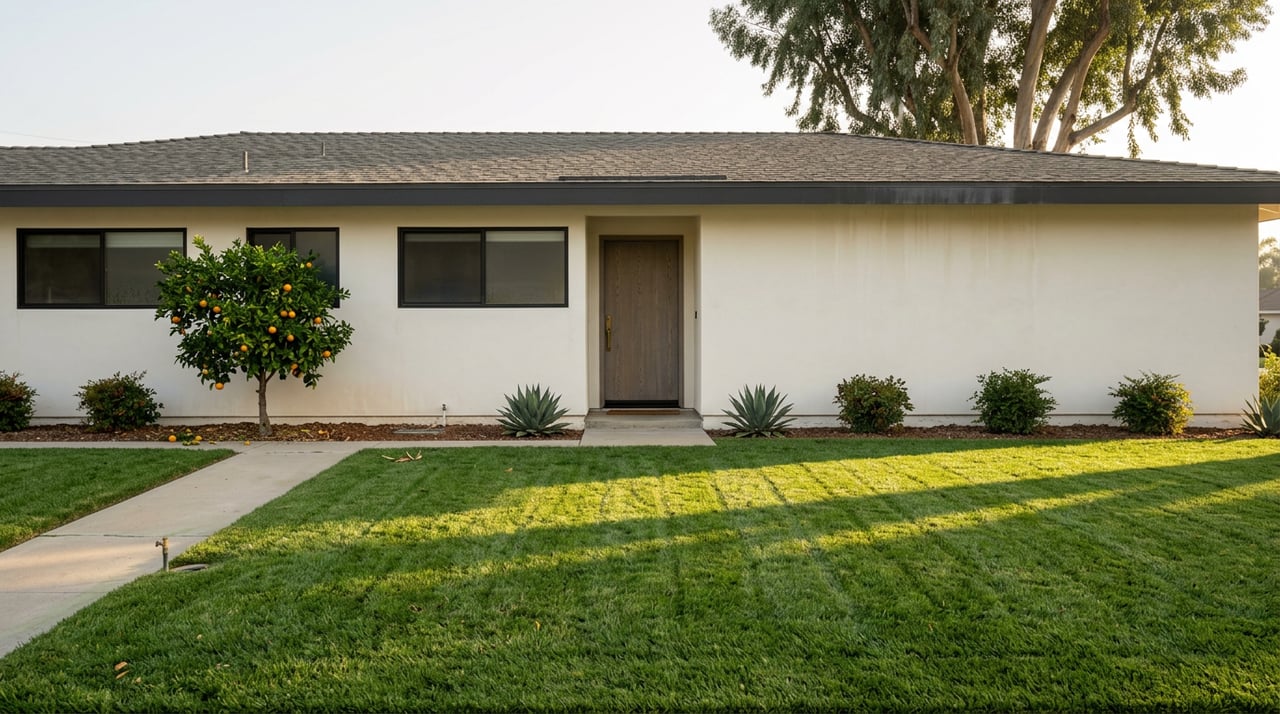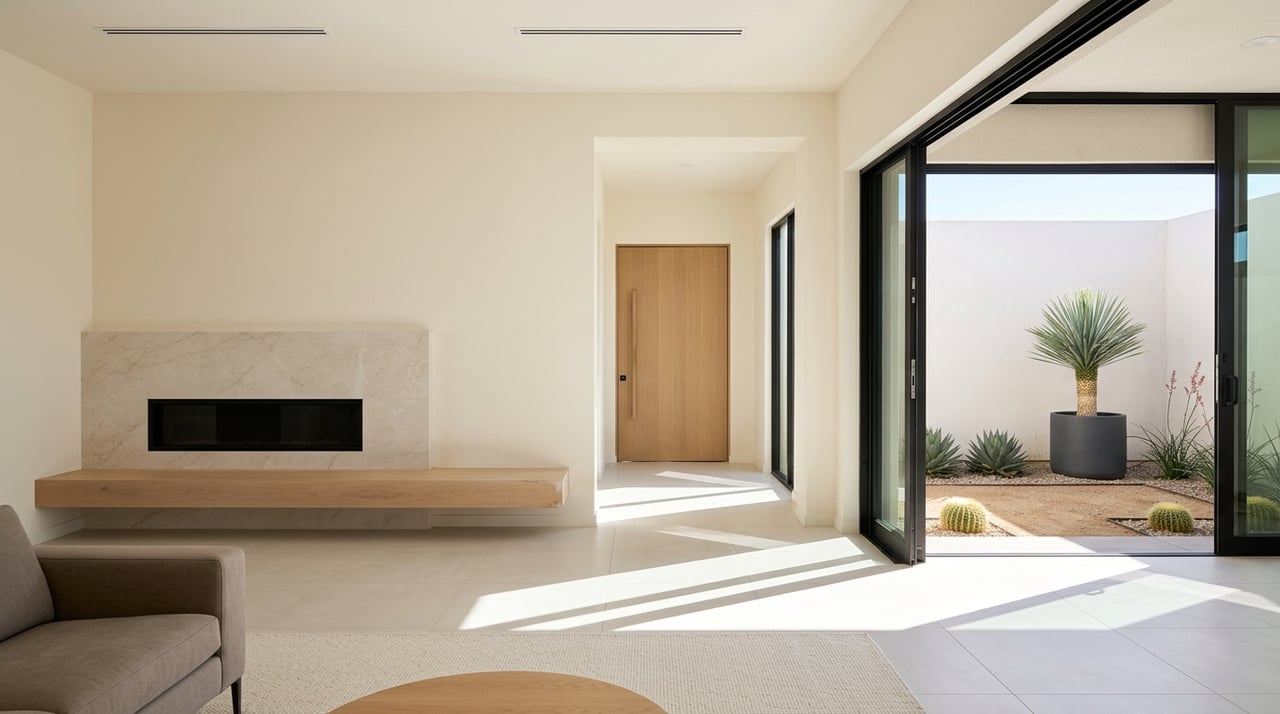
Trying to buy and sell at the same time in Scottsdale can feel like a high-wire act. You want to line up your next move without getting stuck with two housing payments, two closings, or two moves. The good news is that Scottsdale’s current market gives you options, and with the right plan, you can reduce risk and keep more control over the process. Let’s dive in.
Why timing matters in Scottsdale
Scottsdale is active, but it is not moving at a frantic pace. According to the Scottsdale REALTORS January 2026 market report, the market had 5.61 months of inventory, a median sold price of $976,900, median days in RPR of 57, and a 96.7% sold-to-list price ratio.
That creates an important middle ground for homeowners. You may have enough time to plan your next purchase thoughtfully, but you still need a clear strategy because some homes receive multiple offers and timing mistakes can get expensive.
Start with your main priority
Before you decide how to structure both transactions, ask yourself one simple question: Do you value certainty more, or speed more? Your answer usually points you toward the right path.
If certainty matters most, selling first is often the lower-risk option. If landing your next home quickly matters more, you may need tools that let you buy before your current home closes.
Option 1: Sell first, then buy
For many homeowners, this is the most conservative route. The Consumer Financial Protection Bureau says people who are moving normally try to sell their current home before buying another one.
The biggest benefit is clarity. Once your current home sells, you know how much equity you have available, what your budget looks like, and whether you can comfortably move forward without carrying two mortgage payments.
Why selling first can work well
Selling first can help you:
- Set a more realistic purchase budget
- Reduce the risk of overlapping mortgage payments
- Avoid pressure to accept financing terms that do not fit your goals
- Make decisions based on actual proceeds instead of estimates
In today’s rate environment, that matters. Freddie Mac reported a 6.38% average 30-year fixed rate and a 5.75% average 15-year fixed rate for the week ending March 26, 2026, which means even a short overlap between homes can be costly.
The tradeoff of selling first
The challenge is where you go next. If your replacement home is not ready, you may need a longer closing timeline, temporary housing, or a rent-back arrangement that lets you stay in your current home for a short period after closing.
This route can feel less convenient, but it often creates the cleanest financial picture. If your goal is to minimize uncertainty, it is usually the strongest starting point.
Option 2: Buy first with a sale contingency
A sale contingency means your offer on the next home depends on your current home selling. This can help protect you from owning two homes at once, but it may weaken your offer.
That matters in Scottsdale. The local market is not overheated across the board, but the research shows some homes still attract multiple offers, so sellers may prefer a buyer with fewer conditions.
When a sale contingency makes sense
A contingent offer may work better when:
- The home you want has been on the market longer
- The seller is flexible on timing
- Your current home is already listed and likely to sell soon
- You want to avoid extra financing costs
This option can be a practical middle ground. You protect yourself, but you may need patience and strong coordination to find a seller willing to work with that structure.
Option 3: Use bridge financing or a HELOC
If you need to buy before you sell, financing can help bridge the gap. Two common tools are bridge loans and HELOCs, but both come with real risks.
A bridge loan is short-term financing that can help fund your purchase before your current home sells. NerdWallet notes that bridge loans often run 3 to 12 months, may allow borrowing up to about 80% of the combined value of both homes, and usually come with higher rates and fees than conventional mortgages.
A HELOC, or home equity line of credit, works differently. The CFPB defines it as an open-end line of credit that lets you borrow repeatedly against your home equity, but it also warns that missed payments can put your home at risk and the line may be frozen if your home value or finances change.
What to weigh before using financing
Before choosing either option, think about:
- Your monthly cash flow during the overlap
- How quickly your current home is likely to sell
- Your comfort with higher short-term borrowing costs
- Whether you have enough reserves for closing costs, moving, and repairs
The CFPB also notes that lenders review income, assets, employment, debt payments, and credit history when deciding whether to lend. On top of that, closing costs typically run 2% to 5% of the purchase price, not including the down payment.
In other words, this is not only about timing. It is also about whether you can qualify and stay comfortable financially while both transactions overlap.
Option 4: Consider a buy-before-you-sell program
If your main goal is to avoid a home-sale contingency and move only once, a buy-before-you-sell solution may be worth exploring. These programs are designed to unlock equity before your current home is sold so you can make a stronger offer on your next home.
According to HomeLight’s overview of buy-before-you-sell options, this type of program can unlock a portion of your equity upfront, allow you to make an all-cash offer with no home-sale contingency, and then let you list your old home after you move out.
For many Scottsdale homeowners, the appeal is simple. You may be able to buy with more confidence, move once, and prepare your current home for market while it is vacant.
Why this can be useful in Scottsdale
Scottsdale is not one uniform market. Timing and buyer demand can vary by area and property type, whether you are moving within Old Town, McCormick Ranch, Grayhawk, DC Ranch, Central Scottsdale, or South Scottsdale.
Because of that, a flexible solution can be especially helpful if the home you want to buy is in a more competitive pocket than the home you are selling. In that situation, removing your sale contingency may improve your position.
How to choose the right sequence
There is no one-size-fits-all answer, but this framework can help.
| Priority | Best-fit approach |
|---|---|
| Lower risk and clearer budget | Sell first, then buy |
| Protect yourself while making an offer | Buy with a sale contingency |
| Move faster before selling | Bridge loan or HELOC |
| Avoid a contingency and reduce moving friction | Buy-before-you-sell program |
The best strategy usually depends on your equity, your borrowing power, your timeline, and how competitive your target home search will be.
Build your Scottsdale plan early
If you are thinking about buying and selling at the same time, the smartest move is to plan before either home hits the market. A solid strategy should cover pricing, financing, timing, and backup options from day one.
At a minimum, your plan should answer these questions:
- What is your estimated equity position?
- How much home can you comfortably afford?
- Do you want the least risky path or the fastest path?
- Would a contingency hurt your offer strength?
- Do you have a backup if your current home takes longer to sell?
- Can you handle closing costs, moving expenses, and short-term overlap if needed?
That kind of preparation matters in Scottsdale’s current market. Homes are still selling, but not instantly, so execution can matter as much as pricing.
The value of a coordinated approach
When you are juggling two major transactions, details matter. Pricing your current home correctly, choosing the right list timing, understanding neighborhood-specific demand, and coordinating lenders, inspections, and closing dates all work together.
That is where a process-driven team can make a real difference. A coordinated plan helps you understand your options clearly and choose the path that fits your goals, not just the market headlines.
If you are planning a move in Scottsdale and want a step-by-step strategy for buying and selling with less friction, connect with Shelby DiBiase - Main Site to explore your options and start with a plan built around your timeline.
FAQs
Should I sell first or buy first in Scottsdale?
- If you want more certainty and a clearer budget, selling first is usually the lower-risk option. If securing your next home quickly matters more, buying first may work better with the right financing or equity solution.
Can I buy a Scottsdale home before my current home sells?
- Yes. Common options include making an offer with a sale contingency, using a bridge loan, opening a HELOC, or using a buy-before-you-sell program that unlocks equity upfront.
How competitive is the Scottsdale market right now?
- The Scottsdale REALTORS January 2026 market report shows 5.61 months of inventory, median days in RPR of 57, and a 96.7% sold-to-list price ratio, which points to an active market where timing still matters.
What costs should I budget for when buying and selling at the same time in Scottsdale?
- In addition to your down payment, the CFPB says buyers typically pay 2% to 5% of the purchase price in closing costs, and you should also plan for moving expenses, repairs, and possible overlap in housing payments.
How can I avoid moving twice during a Scottsdale buy-and-sell move?
- Common ways to reduce the chance of a double move include negotiating a longer closing timeline, using a rent-back agreement, exploring bridge financing, or using a buy-before-you-sell program that lets you move before listing your current home.
Does the best strategy vary by Scottsdale neighborhood?
- Yes. Scottsdale functions more like a collection of submarkets than a single uniform market, so timing and demand can differ by area and property type, which can affect whether you should sell first, buy first, or use a more flexible option.