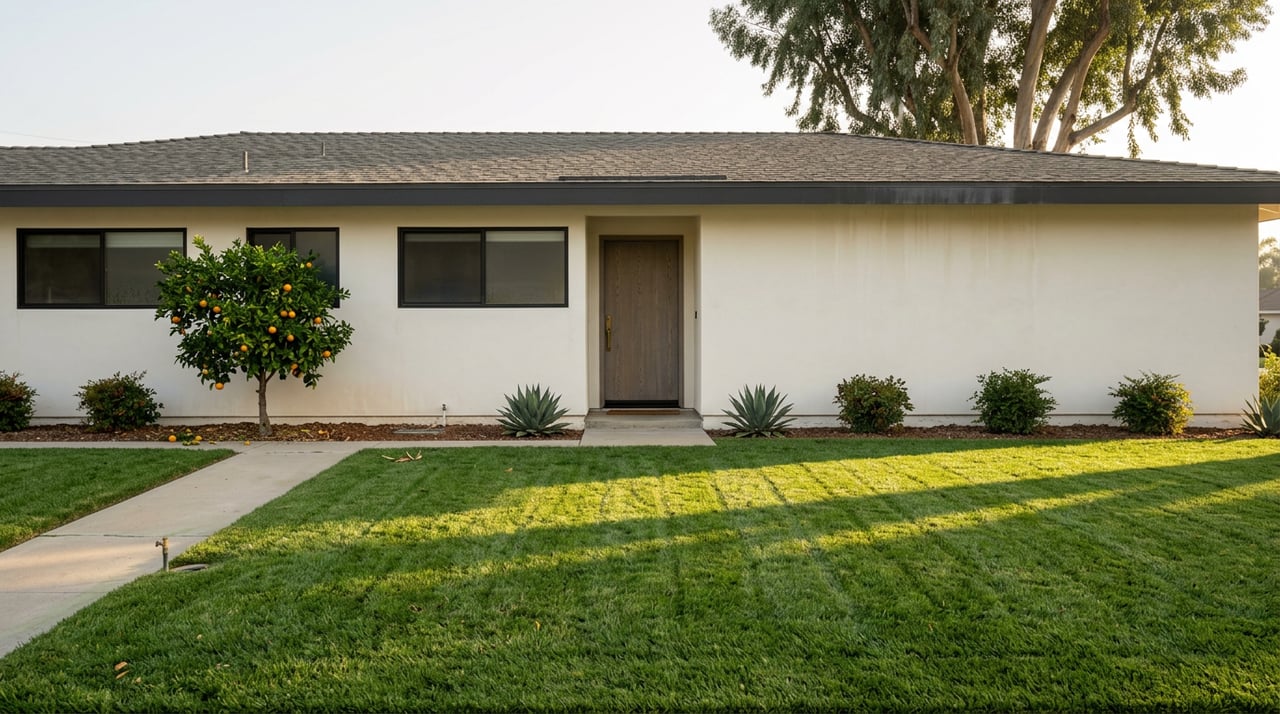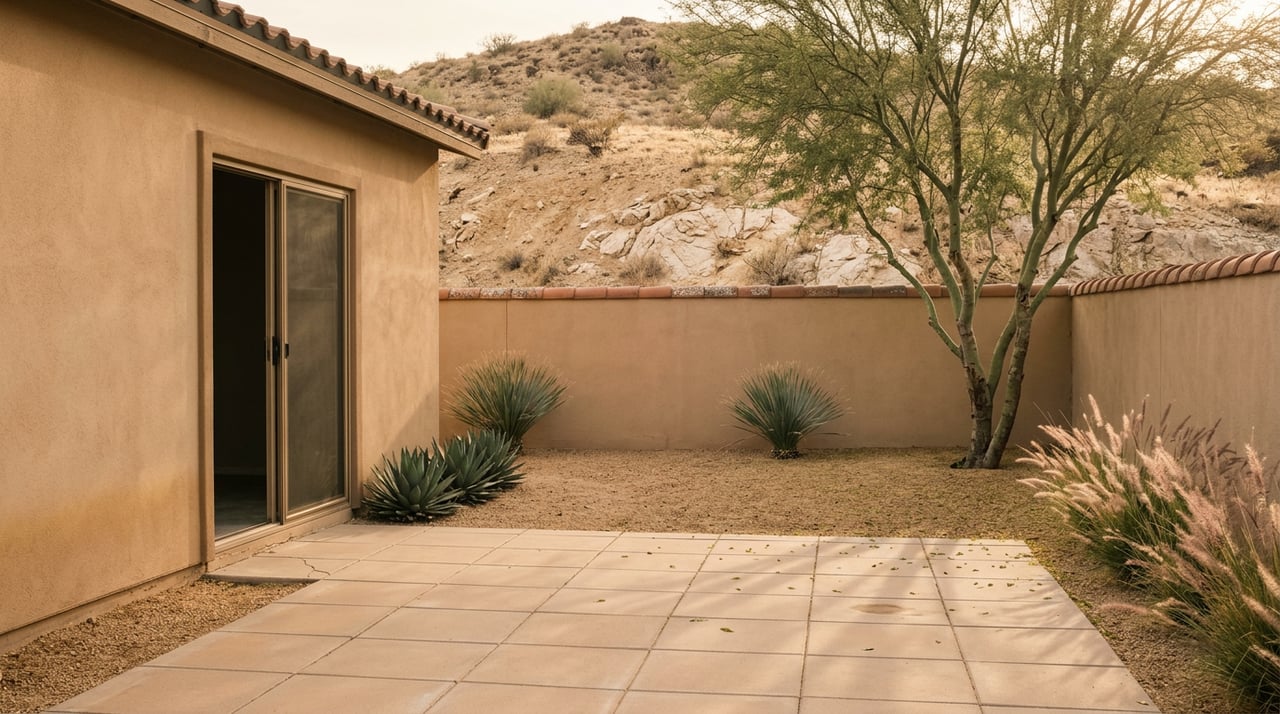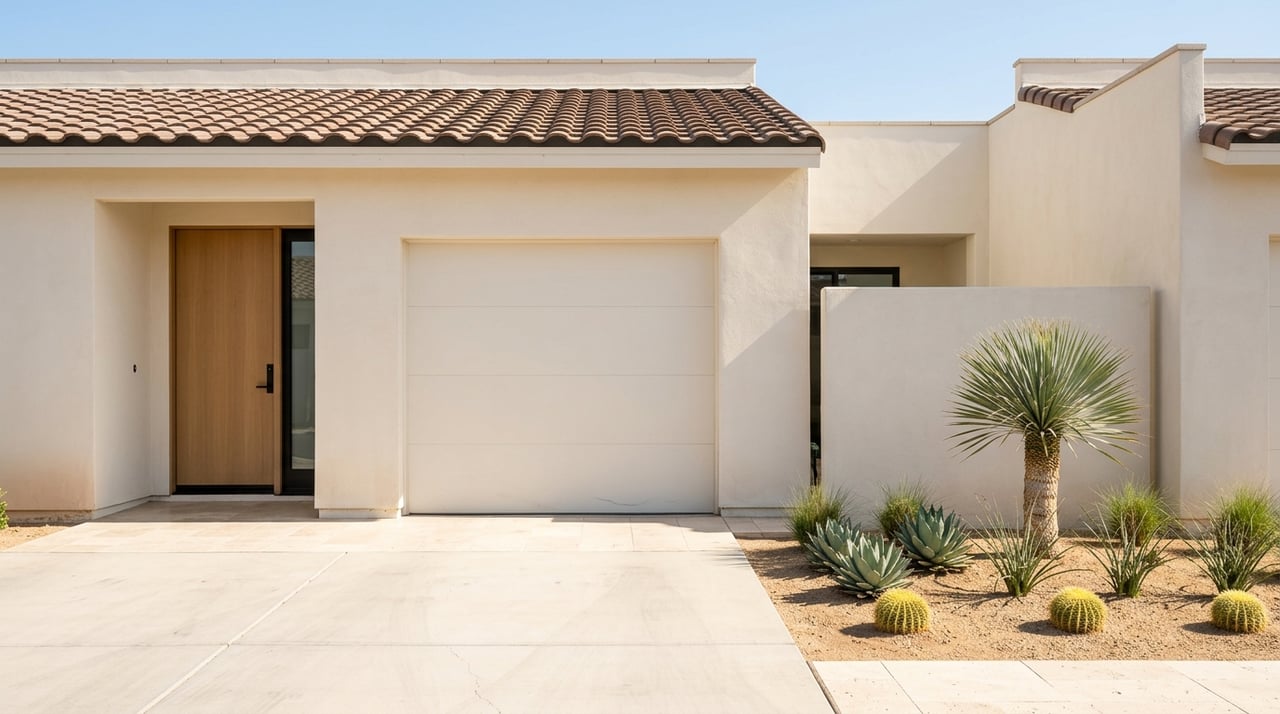
Thinking about moving up in Stetson Valley but unsure whether to buy first or sell first? That question matters more than ever when timing, equity, and monthly payments all have to line up. If you want more space, a different layout, or a home that better fits your next chapter, the right strategy can reduce stress and protect your options. Here’s how to plan your move-up sale and purchase in Stetson Valley with more clarity and less guesswork.
Why Stetson Valley move-up planning matters
Stetson Valley is not a one-size-fits-all neighborhood story. It is a master-planned Phoenix community with about 2,400 to 2,500 homes, set between Deem Hills and Ludden Mountain and built around parks, playgrounds, walking trails, and more than 25 tot lots. For many move-up buyers and sellers, that means lifestyle, outdoor access, and usable space are central to the decision.
The local market also calls for realistic planning. Recent public market snapshots showed a median sale price of $709,000 in March 2026, median days on market of 50, and a 98.1% sale-to-list ratio, with 0% of homes selling above list price. Another public snapshot showed a $649,500 median listing price and 27 average days on market, which points to an active market without the frenzy of a peak seller’s market.
That matters because your next move likely depends on your current equity. If you assume your home will sell instantly or well above asking, you may create unnecessary pressure on your purchase timeline. In Stetson Valley, a smart move-up plan starts with pricing against closed comparable sales and building in enough time to coordinate both sides of the move.
Start with your equity picture
Before you choose a sequence, figure out how much equity you can safely count on. Many move-up buyers use proceeds from the sale of their current home to help fund the next purchase, so your net proceeds affect everything from down payment size to monthly payment comfort.
This is where a practical pricing strategy matters. In a market where homes are selling close to list price but not commonly above it, you want to avoid building your next step around an overly optimistic number. A grounded estimate gives you a better base for deciding whether you can buy before you sell, or whether selling first is the safer path.
Sell first, then buy
For many homeowners, this is the most cautious and predictable approach. Selling first helps you avoid carrying two housing payments at the same time, and it gives you a clear number for the proceeds you can use on your next home.
The tradeoff is convenience. You may need temporary housing, a negotiated post-closing occupancy period, or a carefully timed purchase if your next home is not ready when your current sale closes. Still, if your top priority is limiting financial overlap, sell-first is often the cleanest strategy.
When sell-first makes sense
- You want to minimize payment overlap
- You need your current equity for the next down payment
- You prefer certainty over speed
- You want to shop with a firmer budget
Buy first, then sell
Buying first can be appealing if you want to move once and avoid temporary housing. It can also help when the right next home becomes available before your current property is under contract.
The catch is carrying cost and lender scrutiny. If you use bridge financing or another temporary solution, the lender will typically need to document that you can handle payments on the new home, the current home, the bridge loan, and other obligations. This path can work well, but it requires stronger reserves and careful planning.
When buy-first may fit
- You have enough cash reserves for temporary overlap
- You want to secure the next home before listing
- You can qualify while carrying multiple obligations
- You want to avoid a rushed move between homes
Use contingencies to reduce risk
A move-up transaction does not have to be all-or-nothing. Contingencies can give you more flexibility when the sale of one home and the purchase of another need to align.
Common clauses that can help include financing, appraisal, inspection, home sale, home close, title, HOA review, continue-to-show, kick-out, and rent-back terms. In practice, these tools can help you protect your purchase while still giving the other side a workable path forward.
Two contingency structures to know
Home-sale contingency
This gives you time to sell your current home before closing on the next one. It can reduce risk, but sellers may still keep showing the property and may include a kick-out clause that allows them to accept another offer under certain conditions.
Home-close contingency
This gives you time to finish the closing of your current home before buying the next one. It can be useful when your sale is already in motion and you need the proceeds to complete your purchase.
Consider a rent-back if timing is tight
If your main concern is disruption, a rent-back or post-closing occupancy agreement may help bridge the gap. In that setup, you sell your current home, close, and then remain in the home for a short agreed period while you finalize your move.
The key is clear written terms. The payment amount, move-out date, and other details should be negotiated up front so both sides know exactly what to expect. This can be especially helpful if you want the certainty of a completed sale without having to move twice.
Where cash-offer and trade-in options fit
Some homeowners care more about speed and certainty than squeezing every last dollar out of the sale. That is where cash-offer facilitation and trade-in style options can play a role.
Direct-buy programs can close quickly once contingencies are removed, sometimes in days rather than a traditional 30 to 45 day timeline. The tradeoff is that the offer may come in below market value, and there may be a convenience fee. For some sellers, that can still be worth it if the goal is a simpler timeline and less uncertainty.
Bridge financing sits in a middle ground. It may allow you to buy first without taking a discounted direct-buy offer, but it also adds underwriting complexity and temporary payment overlap. The right choice depends on whether your priority is maximum proceeds, timeline control, or reduced stress.
Get preapproved early
Before making an offer on your next home, get preapproved. Sellers often expect it, and it gives you a clearer picture of your budget as you coordinate your sale and purchase.
It is important to remember that a preapproval is tentative, not a guaranteed loan. It may also expire in 30 to 60 days, so timing matters. If your move-up process stretches longer than expected, you may need to refresh paperwork along the way.
Protect yourself with inspections and disclosures
Inspections and disclosures are especially important in a move-up transaction because surprises on either side can affect your timeline. If you are buying, scheduling an independent inspection as soon as possible helps you understand condition issues early. If the contract includes an inspection contingency and the results are unsatisfactory, that may give you the right to cancel without penalty.
On the selling side, Arizona disclosure timing matters. Buyers should read the seller’s property disclosure report and purchase contract carefully for deadlines related to inspections and challenges to disclosures. Sellers are expected to disclose known material latent defects, and the Arizona Seller’s Property Disclosure Statement is generally delivered within five days after acceptance.
If you are purchasing in a new subdivision, the Public Report must be provided before the purchase contract is signed. That report covers items such as drainage, adjacent uses, utilities, community facilities, taxes, assessments, and HOA details. For previously owned homes, Arizona also recommends considering a termite inspection and a professional home inspection.
Plan for HOA rules before listing
Because Stetson Valley is HOA-governed, exterior updates should not be treated as a last-minute free-for-all. If you are planning touch-ups before listing, review the CC&Rs and HOA rules early.
That can matter for landscaping, paint, doors, security items, or other visible changes. Getting ahead of approvals can help you avoid delays right when you are trying to bring your home to market and coordinate your next purchase.
Keep closing details on your radar
When one closing is funding the next, small timing issues can become big problems. A final walk-through should happen before signing closing papers, and you should review your documents carefully to make sure the terms match expectations.
If an important loan term changes, a new Closing Disclosure can trigger a three-business-day review period. That is one more reason to build buffers into your timeline rather than planning both transactions down to the hour. For document recording questions in Maricopa County, your title company, escrow officer, or attorney is the right place to turn, since the county recorder preserves documents but does not provide legal advice or help complete forms.
A practical Stetson Valley move-up strategy
For most Stetson Valley homeowners, the best first step is simple: determine how much equity you can realistically use, then choose the sequence that matches your comfort level with overlap, uncertainty, and disruption. In this market, that often means sell-first for maximum caution, contingent or rent-back structures for more flexibility, and bridge or cash-offer pathways when speed and certainty matter most.
The right plan is not always the one that looks best on paper. It is the one that fits your budget, your timing, and your tolerance for risk while keeping both transactions manageable.
If you’re planning a move-up sale and purchase in Stetson Valley, the right guidance can make the process far more predictable. The team at Shelby DiBiase - Main Site can help you evaluate your equity, compare timing options, and build a buy-sell strategy that fits your goals.
FAQs
What is the safest move-up strategy in Stetson Valley?
- For many homeowners, selling first is the safest option because it helps you avoid carrying two housing payments and gives you a clearer picture of your available equity.
How long can it take to sell a home in Stetson Valley?
- Recent public market data showed a median of 50 days on market in one March 2026 snapshot, which suggests you should plan carefully rather than assume an instant sale.
What is a home-sale contingency in a move-up purchase?
- A home-sale contingency gives you time to sell your current home before closing on the next one, which can reduce financial risk during a coordinated move.
Why do HOA rules matter when selling a Stetson Valley home?
- Because Stetson Valley is HOA-governed, exterior changes like landscaping, paint, doors, and some visible upgrades may require approval, so it is smart to review the rules early.
Should you get preapproved before buying your next Stetson Valley home?
- Yes. Preapproval helps clarify your budget, strengthens your offer position, and is often expected by sellers, even though it is still tentative and not a guaranteed loan.
What inspections matter in an Arizona move-up transaction?
- A professional home inspection is important when buying, and Arizona also recommends considering a termite inspection on previously owned homes. Inspection timing matters because it can affect your ability to negotiate repairs or cancel under contingency deadlines.