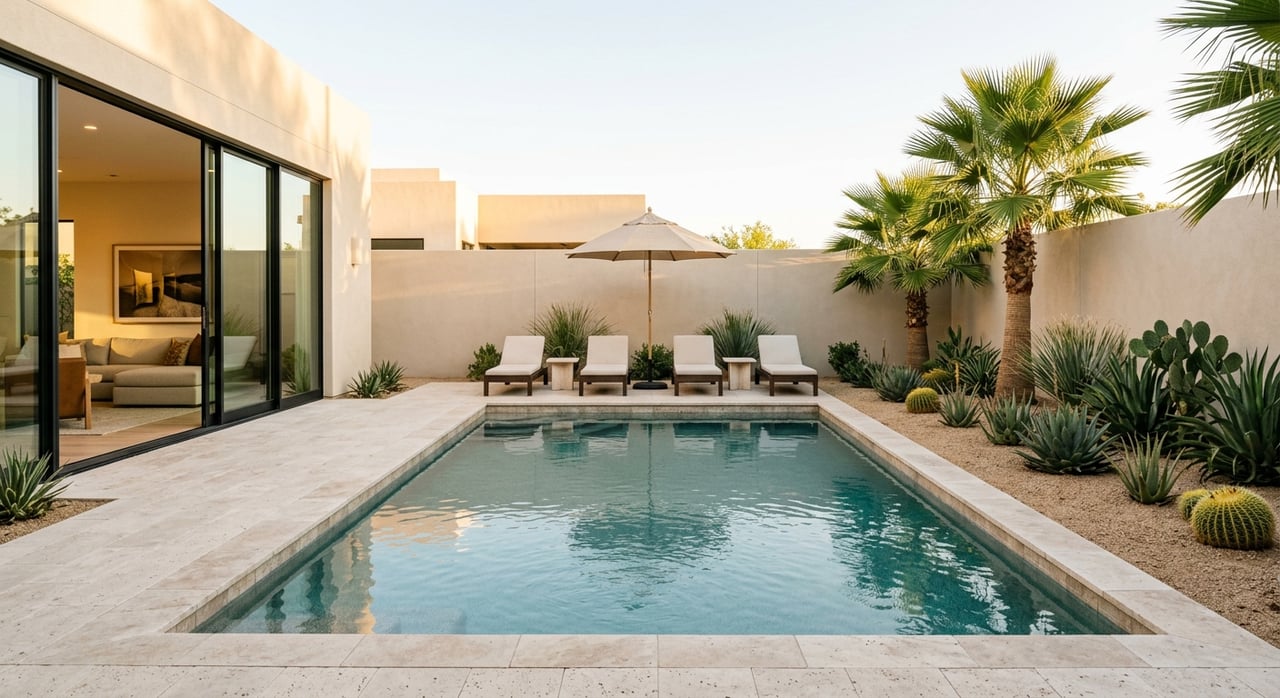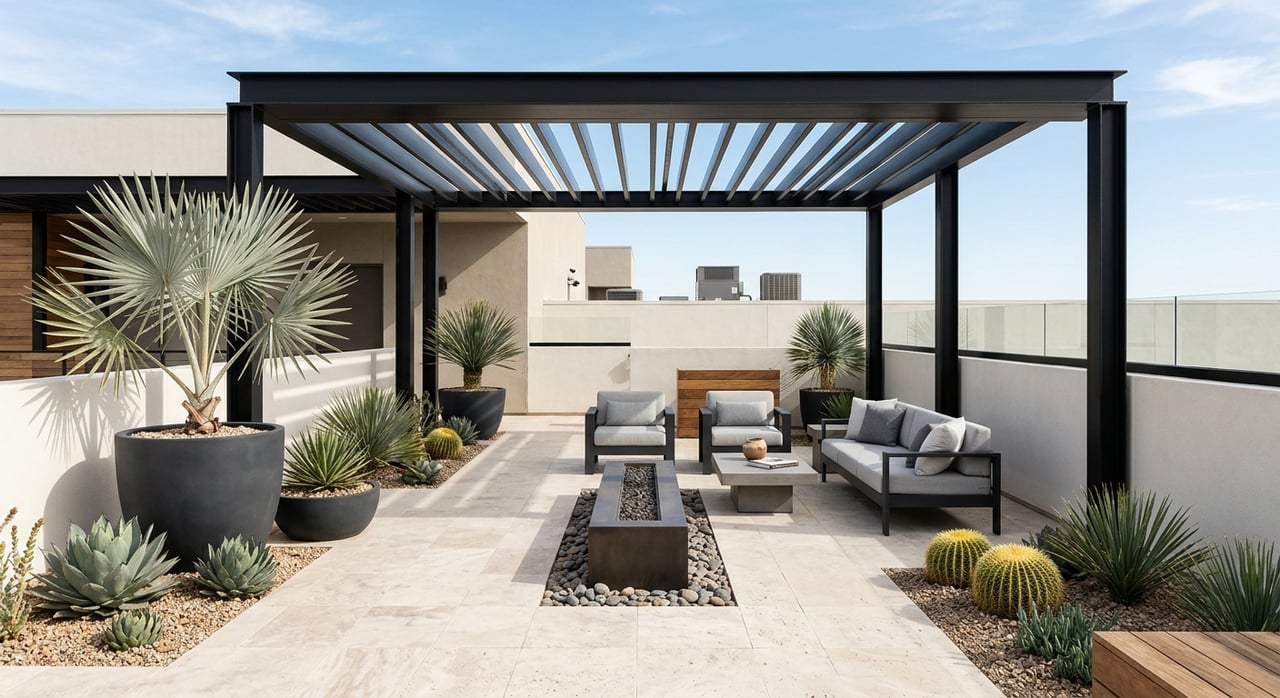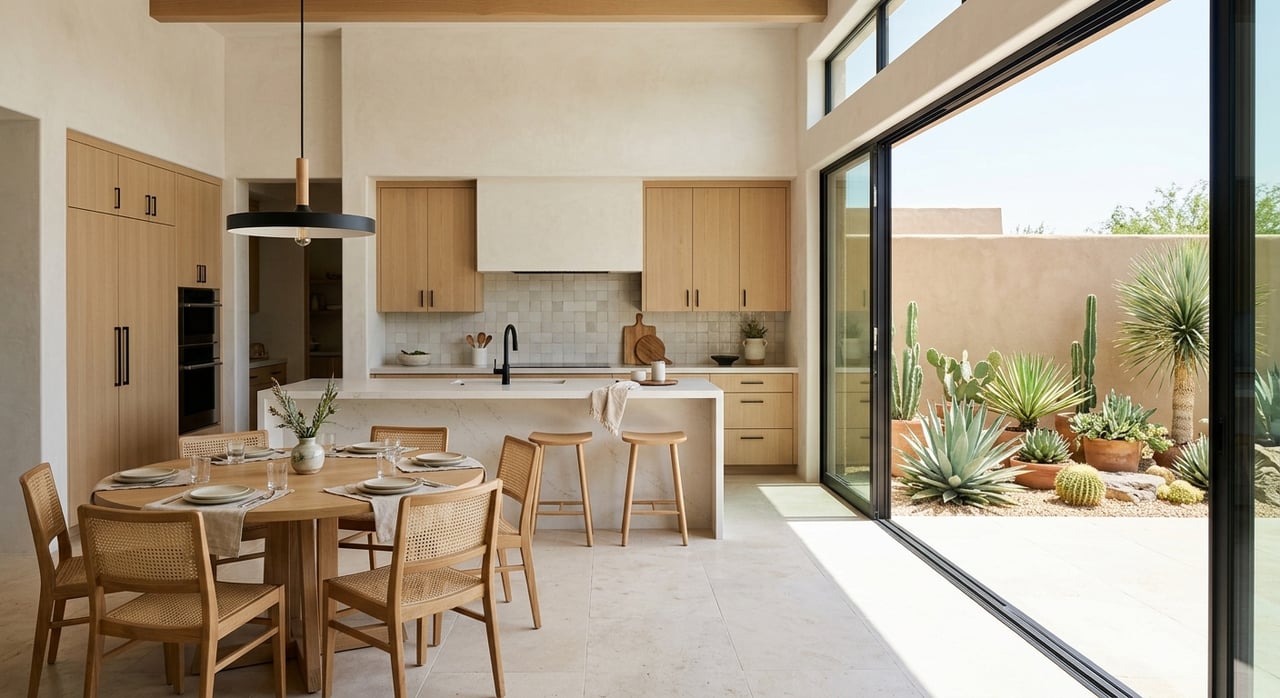
Do you want a morning coffee on a balcony, art murals below, and no yard work on your weekend to-do list? If you’re weighing city energy against suburban space, Central Phoenix gives you a real choice. In this guide, you’ll see how condos and lofts fit the lifestyle here, what transit and commute options look like, and what to check before you buy. Let’s dive in.
Why Central Phoenix stands out
Central Phoenix centers on the Downtown, Midtown, and Uptown corridor along Central Avenue, including Roosevelt Row, the Warehouse District, Encanto, Coronado, Willo, Melrose, Garfield, and nearby blocks. You’ll find rail stops, museums, parks, and dining clustered within a quick walk of many condo buildings. That mix is the core appeal: culture by day, nightlife by evening, and shorter last-mile commutes.
For city context, Phoenix’s median value of owner-occupied housing units is $420,700 and the mean travel time to work is 25.6 minutes, according to U.S. Census QuickFacts. Downtown condo pricing is highly building-specific, so use the city stat only as a baseline while you compare actual listings and recent solds.
Who thrives here: quick pros and cons
Young professionals
- Benefits: walkable evenings, light-rail access to games and concerts, shorter last-mile commutes, and lower maintenance without a yard.
- Tradeoffs: smaller interiors, HOA fees and rules, limited parking or guest parking, and event-night noise near entertainment blocks.
Downsizers
- Benefits: lock-and-leave living, proximity to health care and museums, community programming, and potential buyer demand when you resell.
- Tradeoffs: fewer large-storage options, possible HOA restrictions or special assessments, and less private outdoor space.
Neighborhood spotlights
Roosevelt Row & Warehouse District
- Vibe: street art, galleries, studios, and buzzing First Friday energy; converted warehouses meet modern mid-rise living.
- Housing: loft and warehouse conversions plus boutique mid-rise condos; some newer buildings along and near Central Avenue.
- Transit: closest stops include Roosevelt/Central; easy transfers at the rebuilt Downtown Hub a few blocks south.
- Pitch: live where murals, markets, and music venues are part of your weekly routine.
Encanto & Coronado
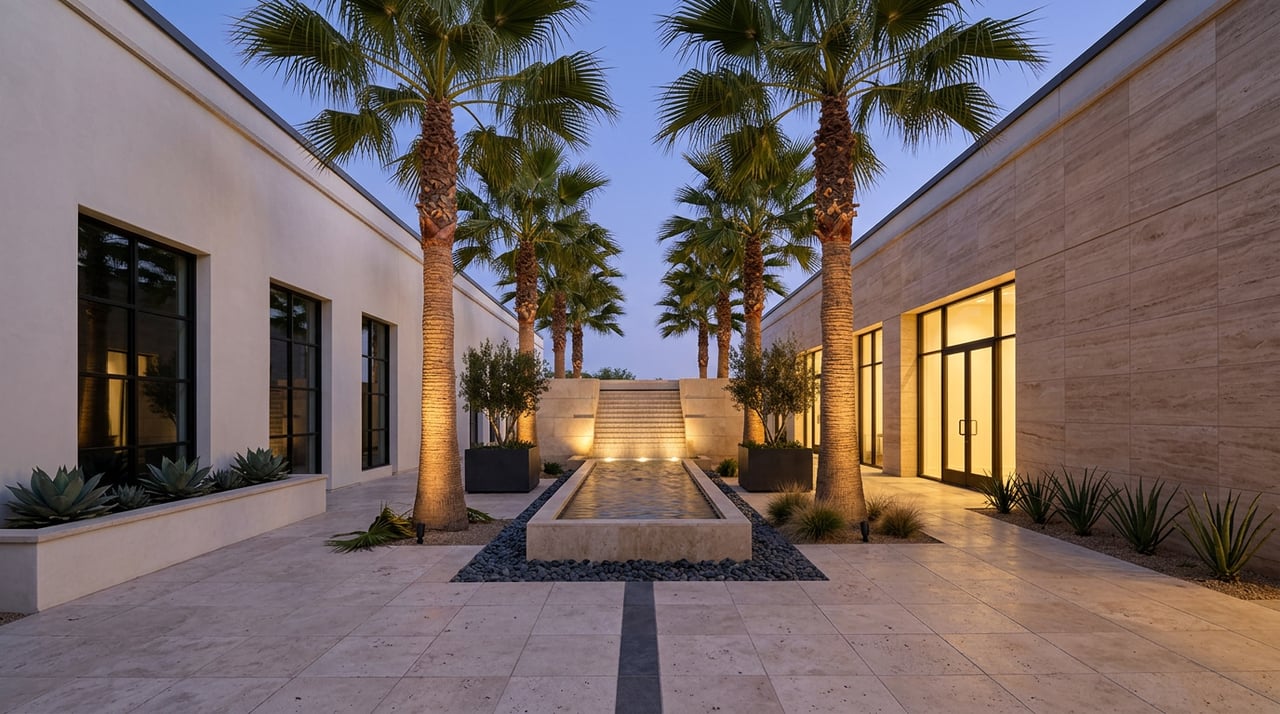
- Vibe: leafy historic streets near urban amenities; quieter pockets with quick access to museums and parks.
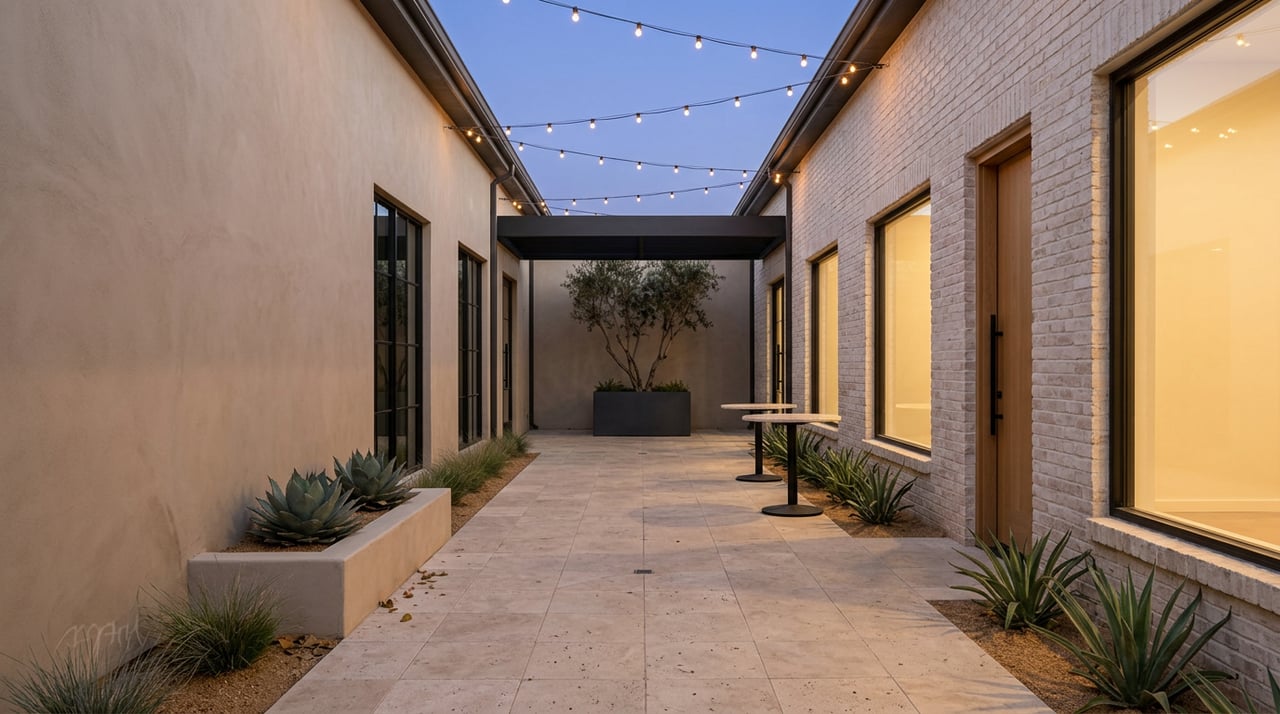
- Housing: courtyard condos, older low-rise and mid-century attached units, plus historic single-family homes on nearby blocks.
- Transit: Encanto/Central and McDowell/Central serve the area; Midtown stations put museums and downtown within a couple stops.
- Pitch: a classic neighborhood feel with a city address and quick rail access.
Melrose & Midtown
- Vibe: retro storefronts, local restaurants, and vintage shops along the 7th Avenue Melrose curve; Midtown brings high-rises and offices.
- Housing: mid-rise condos along Central Avenue, older attached options off the corridor, and select high-rise choices near Central and Camelback.
- Transit: multiple Central Avenue stations nearby; rail puts downtown shows and uptown dining within minutes.
- Pitch: convenient Central Avenue living with dining clusters in easy reach.
Condos and lofts: what to expect
You’ll see three common product types in Central Phoenix:
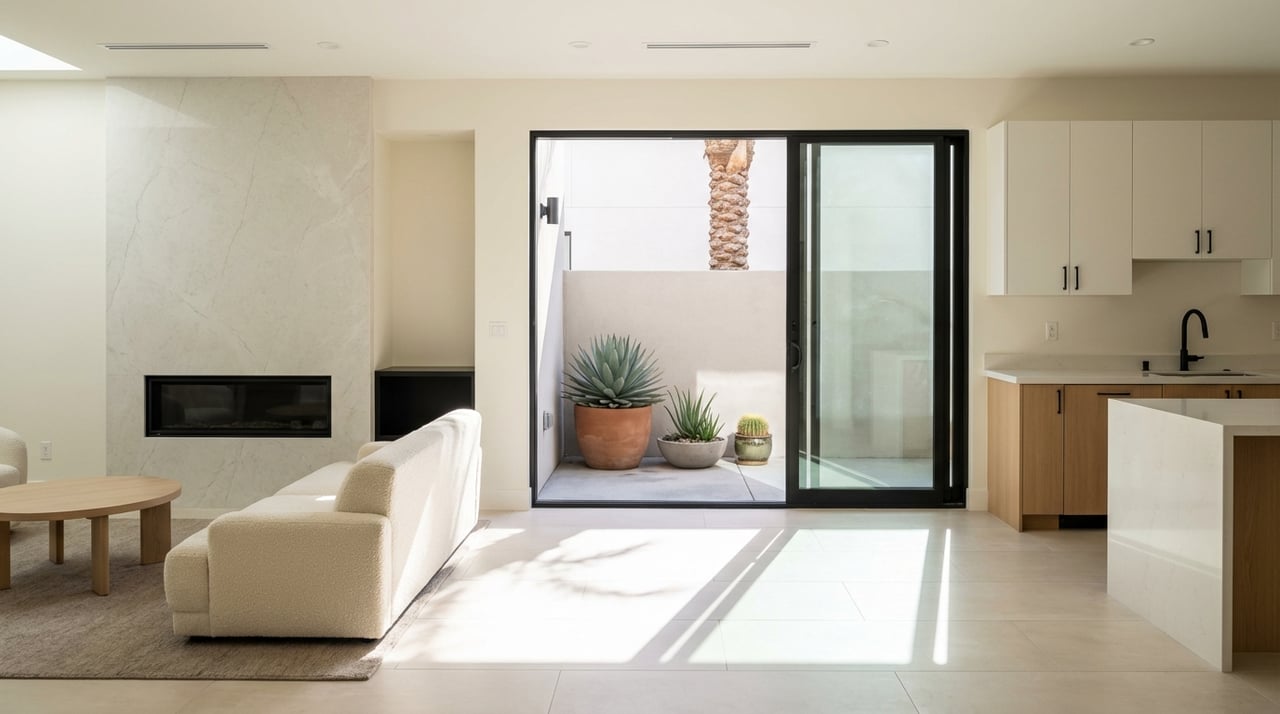
- Studio and one-bedroom condos in mid-rise or high-rise buildings along or near Central Avenue. These appeal to buyers who value location, views, and amenities over square footage.
- Loft and warehouse conversions near Roosevelt Row and the Warehouse District. Expect industrial character, varied floor plans, and building-by-building differences in amenities and rules.
- Older low-rise and mid-century attached units near Midtown, Encanto, and surrounding blocks. These can offer value and retro charm with smaller footprints.
Pricing varies more by building than by bedroom count, so compare recent sales within the same address whenever possible. Also remember that HOA dues, parking, and reserves can change your monthly cost and long-term risk more than sticker price alone. Before you write an offer, walk through this buyer checklist:
- Pull 30–90 day sales comps for the specific building and nearby peers.
- Review HOA minutes, budgets, and reserve studies for maintenance strength and any special assessments.
- Confirm parking: assigned spaces, EV options, guest parking rules, and storage availability.
- Check rental policies, including short-term rules and minimum lease terms.
- Understand noise policies, event-night expectations, and pet rules.
- Ask about elevator maintenance plans and age; verify building systems and roof timelines.
- Estimate cooling and energy costs for Phoenix’s climate by reviewing past utility bills where available.
Transit and commutes made easy
Central Phoenix gained a meaningful transit boost when the South Central Extension and Downtown Hub opened on June 7, 2025. Valley Metro Rail now operates as two intersecting lines with multi-platform transfers centered on Washington, Jefferson, Central, and 1st avenues. That shift improved access across the core and simplified getting around without a car. See the City’s announcement for details on the two-line pattern and Downtown Hub design in the South Central-Downtown Hub light-rail update.
If rail is a priority, focus your search within a quarter to half mile of Central Avenue stations like Roosevelt/Central, McDowell/Central, and Encanto/Central. For an at-a-glance system view, use Valley Metro’s current wayfinding materials and map in this service poster PDF.
Frequent flyers benefit from direct airport connectivity. PHX Sky Harbor links terminals via the PHX Sky Train and is typically a short drive or quick transfer from central neighborhoods; check official traveler details on the Sky Harbor site.
Prefer to drive? I‑10, I‑17, SR‑51, and Loop 202 are your primary arteries. Citywide, the mean commute is about 25–26 minutes per the U.S. Census QuickFacts. Peak windows can stretch drive times, so tour during rush hour to see a realistic picture.
Culture, dining, and parks
Roosevelt Row is the city’s walkable arts heart, with murals, galleries, and studios, plus the monthly First Friday market that fills the streets. Explore events and district highlights at the Roosevelt Row Arts District site. For museum lovers, the Heard Museum anchors the Midtown corridor with American Indian art and year-round exhibitions; browse programs and exhibitions at the Heard Museum. The Phoenix Art Museum adds another cultural layer nearby.
Nightlife and dining span multiple clusters. Roosevelt Row and The Churchill container complex draw crowds, while downtown venues like Crescent Ballroom and small music bars keep the calendar full. For representative lists of things to do and sample venues, browse this curated roundup of downtown Phoenix attractions and nightlife.
Green space matters in the city. Hance Park sits at the northern edge of downtown and has been steadily revitalized with events and new amenities; you can learn more at the Hance Park page from the City of Phoenix. A few blocks north, Encanto Park offers a larger oasis with shady paths, water features, and space to unwind.
Money matters in condo living
Your true monthly cost is more than principal and interest. In Central Phoenix, HOA dues, parking, insurance, and utilities are key drivers. Dues vary widely by building, age, and amenity level. Before committing, ask your agent to compile recent sales from the same stack or floorplan, compare HOA budgets and reserves side-by-side, and confirm any planned capital projects. Buildings with solid reserves can handle elevator, roof, or chiller work more predictably.
If you plan to rent the unit in the future, check rental caps, lease minimums, and short-term rules early. For resale, focus on buildings with strong maintenance histories, healthy reserves, and consistent buyer demand driven by transit proximity or cultural anchors. A quick evening visit during First Friday or a downtown concert can tell you a lot about noise, parking, and overall livability on event nights.
Your next steps
- Tour a few buildings near Central Avenue rail stops to compare noise, access, and amenities.
- Pull a 3‑month comps snapshot for your top buildings and review HOA documents with your agent.
- Time at least one tour on a First Friday or event evening to experience real-world street activity.
- If you’re coordinating a buy and sell, explore timeline options that reduce risk so you can move once and with confidence.
When you are ready, our team can help you compare buildings, interpret HOA health, and coordinate a smooth move, including options for trade-in certainty or a cash-offer pathway if you need speed. Start the conversation with the Shelby DiBiase - Main Site and we’ll map a plan that fits your timeline.
FAQs
Is Central Phoenix the same as Central Park in Maricopa?
- No. Central Phoenix refers to the downtown, midtown, and uptown corridor around Central Avenue and adjacent neighborhoods; Central Park is a separate community in the City of Maricopa.
How does the new light rail help Central Phoenix condo owners?
- The June 2025 South Central Extension created a two-line system with a rebuilt Downtown Hub, improving transfers and access to stations like Roosevelt/Central, McDowell/Central, and Encanto/Central.
What is the typical Phoenix commute time for comparison?
- The citywide mean travel time is about 25–26 minutes, per U.S. Census data; living near rail or downtown employers can reduce your last-mile time.
Which condo types are most common downtown?
- You’ll see mid- and high-rise condos along Central Avenue, loft and warehouse conversions near Roosevelt Row and the Warehouse District, and older low-rise or mid-century attached options near Midtown and Encanto.
What should I review in condo HOA documents before buying?
- Focus on budgets, reserves, and meeting minutes; confirm parking assignments, guest parking, rental rules, pet policies, and any planned assessments or major repairs.
Is short-term renting allowed in Central Phoenix condos?
- It depends on the building; many HOAs set lease minimums or restrict short-term rentals, so verify CC&Rs and rules before you buy.